

Most people who buy a fitness tracker stop wearing it within a few months. Not because the device fails, but because it was the wrong one for them.
A runner stuck with a basic band misses GPS. A busy parent drowning in notifications on a smartwatch ends up switching it off. Someone who just wanted better sleep pays for a subscription they never open.
The best fitness tracker is the one you’ll still be wearing next year. This guide covers the strongest options available in late 2026, who each one suits, what it really costs to own, and the questions worth asking before you buy.
The Short Answer
For most people, the Garmin Vivoactive 6 is the best all-round fitness tracker. It combines built-in GPS, detailed workout data, and roughly a week and a half of battery life without a subscription.
If you want something simpler, the Fitbit Charge 6 is a friendly, compact band for beginners. For a budget pick, the Xiaomi Smart Band 10 does the basics well for around $50.
Prefer no screen at all? The new Google Fitbit Air and the Whoop 5.0 track quietly in the background. For sleep and recovery, the Oura Ring 4 remains a strong value, now that the thinner Oura Ring 5 has arrived.
Prices change constantly, so treat every figure in this guide as a snapshot and check current deals before buying.
Our Picks at a Glance
| Tracker | Best for | Approx. price | Battery | Subscription |
|---|---|---|---|---|
| Garmin Vivoactive 6 | Best overall | About $230 | Up to 11 days | None |
| Fitbit Charge 6 | Beginners | About $85–$160 | Up to 7 days | Optional |
| Xiaomi Smart Band 10 | Budget | About $50 | Up to 21 days (claimed) | None |
| Amazfit Active 2 | Budget smartwatch style | About $100 | Up to 10 days | None |
| Google Fitbit Air | Screenless | About $100 | Up to 7 days | Optional, about $10/month |
| Oura Ring 4 / Ring 5 | Sleep and recovery | About $250–$400 | 8–9 days | Required, about $6/month |
| Whoop 5.0 | Serious training and recovery | Included with membership | Up to 14 days | Required, from about $199/year |
| Apple Watch SE 3 | iPhone users | About $240 | About 18 hours | None |
| Google Pixel Watch 4 | Android users | About $325+ | 30–40 hours | Optional |
| Garmin Forerunner 570 | Runners | About $550 | 10–11 days | None |
Prices are based on listings in major reviews from mid-to-late 2026 and vary by region, size, and sales.
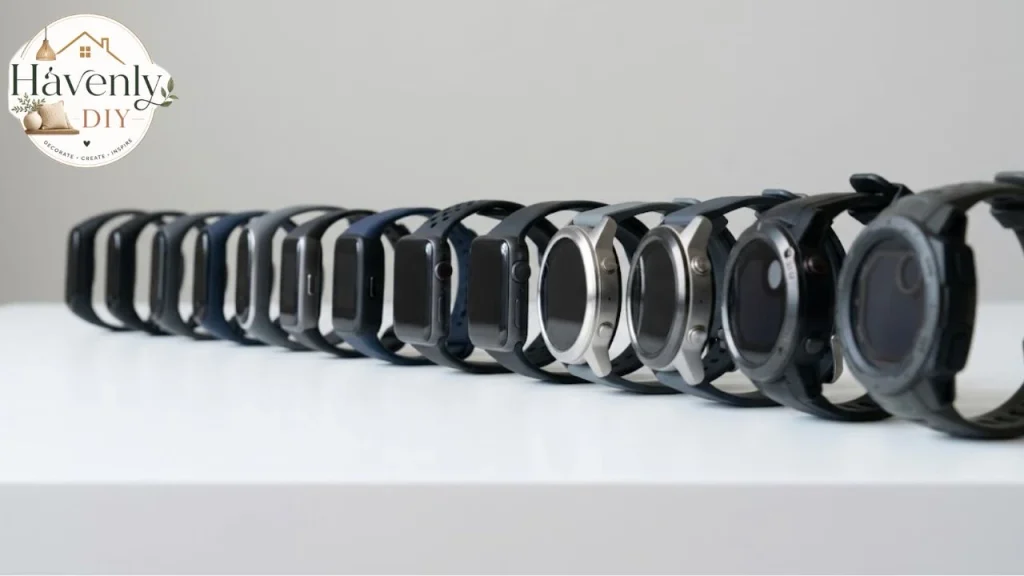
How to Choose the Right Fitness Tracker
Before comparing models for the best fitness tracker, answer four questions. They narrow the field faster than any spec sheet.
What do you actually want to track?
If your goals are steps, sleep, and general activity, almost any modern band will do. If you run or cycle outdoors, built-in GPS matters. If you care most about recovery, stress and sleep quality, a ring or screenless strap may suit you better than a watch.
Do you want a screen?
A screen shows time, stats and notifications at a glance. Some people love it; others find it distracting. Screenless devices like the Fitbit Air, Whoop and Oura Ring push everything to your phone and fade into the background.
How long does the battery need to last?
Smartwatches like the Apple Watch SE 3 and Pixel Watch 4 need charging every day or two. Dedicated trackers usually last a week or more. If you’ll forget to charge, pick long battery life; a tracker sitting on a charger can’t track your sleep.
What phone do you use?
Apple Watches only work with iPhones. Pixel and Galaxy watches work best with Android. Garmin, Fitbit, Xiaomi, Amazfit, Oura, and Whoop work with both, though some features vary.
The Hidden Cost: Subscriptions
This is where many buyers get caught out.
Some trackers work fully out of the box. Others lock their best insights behind a monthly or yearly plan. Over two or three years, a subscription can cost more than the device itself.
| Brand | Subscription |
|---|---|
| Garmin | None for core features (optional premium coaching on some devices) |
| Fitbit / Google | Core tracking free; optional premium plan for deeper insights |
| Oura | Membership required for most insights, about $6/month |
| Whoop | Membership required; device included, from about $199/year |
| Apple, Xiaomi, Amazfit | No required subscription |
When you compare prices, add up the total cost over two years. A $100 tracker with a $10 monthly plan costs about $340 over that time.
Best Overall: Garmin Vivoactive 6
The Vivoactive 6 sits in a sweet spot. It looks like a smartwatch, but it behaves like a serious training tool.
It has built-in GPS, so you can leave your phone at home on runs and rides. NBC Select’s reviewer named it the top pick for its long battery life and deep fitness features, rating it at up to 11 days in smartwatch mode and up to 21 hours with GPS.
You get heart rate, sleep tracking, stress, Body Battery energy estimates, es and dozens of workout profiles, all without a subscription.
Who it suits: active people who want real workout data and long battery life without paying a monthly fee.
Trade-offs: the Garmin Connect app shows a lot of data, and it takes time to learn. Tom’s Guide also suggests it may be more than casual users need.
Best for Beginners: Fitbit Charge 6
The Charge 6 is the friendly, familiar choice. It’s small, comfortable, and easy to understand from day one.
It tracks steps, heart rate, sleep, and workouts, and it includes built-in GPS, which is rare at this size. NBC Select rates its battery at up to 7 days, or about 5 hours with GPS.
The Fitbit app is one of the easiest to use, which matters if you’re new to tracking.
Who it suits: first-time buyers who want a simple band with a screen.
Trade-offs: it launched in 2023 and is getting older. Tom’s Guide now prefers the cheaper Xiaomi band or the newer Fitbit Air unless you specifically want GPS or Google’s ecosystem.
Best Budget Fitness Trackers
Xiaomi Smart Band 10
You don’t need to spend much to get reliable basics. Tom’s Guide picked the Smart Band 10 as its budget choice, praising its comfortable design, water resistance,e and accurate tracking for around $50.
Xiaomi claims up to 21 days of battery. The reviewer found it lasted less than that in practice but still very well.
Trade-offs: the app shows lots of numbers but offers fewer practical insights about what to do with them.
Amazfit Active
If you want a budget device that looks more like a watch, the Amazfit Active 2 is worth a look. NBC Select named it its budget pick, with a slim design, built-in GPS G, and up to 10 days of battery for about $100.
Trade-offs: the app experience is weaker than Garmin’s or Fitbit’s.
For many people on a tight budget, the best fitness tracker is simply one of these two, worn every day.
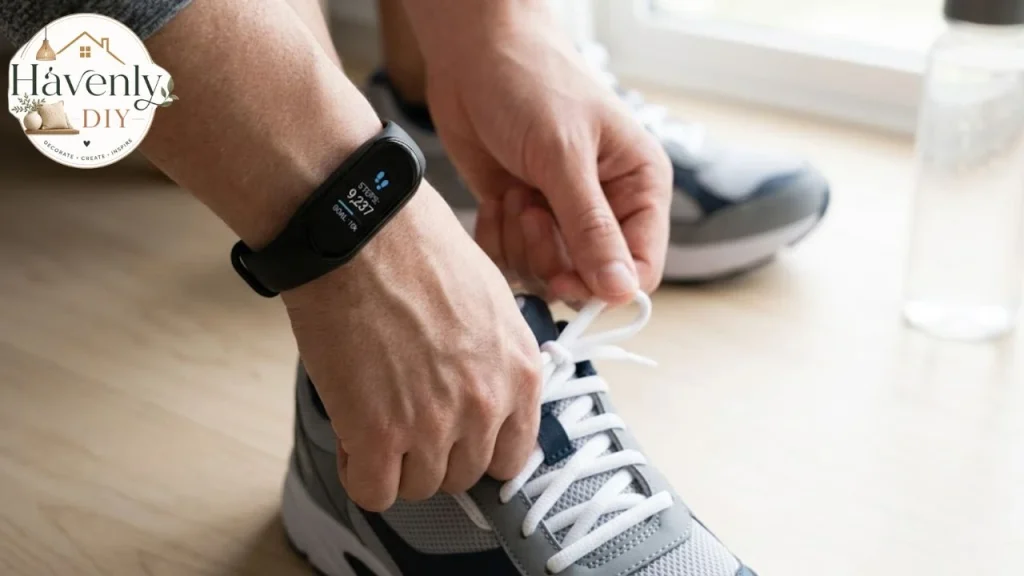
Best Screenless Trackers
Google Fitbit Air
The Fitbit Air is Google’s answer to the screenless trend. It’s a tiny, light band with no display and no notifications.
Tom’s Guide made it the overall top pick in its September 2026 update for distraction-free tracking, comfort, and no required subscription for core features. It lasts up to 7 days and works with Android and iPhone.
Trade-offs: there’s no built-in GPS, and automatic workout tracking only starts after about 15 minutes of activity. An optional premium plan unlocks deeper insights.
Whoop 5.0
Whoop is built for people who train hard and care about recovery. It has no screen and focuses on strain, sleep, and readiness scores.
The device comes with a membership rather than as a one-off purchase. NBC Select lists plans at about $199, $239, and $359 per year, with ECG only on the top tier. Battery lasts up to 14 days.
Who it suits: athletes who want daily coaching on when to push and when to rest.
Trade-offs: the ongoing cost is high. Tom’s Guide recommends the Oura Ring 4 instead for most people, unless you need ECG.
Best Smart Rings: Oura Ring 4 and Oura Ring 5
A smart ring is the most discreet way to track your health. It’s especially good for sleep, since it’s comfortable to wear in bed.
The newer Oura Ring 5 is the smallest Oura yet, with up to 9 days of battery life. NBC Select praised its accurate health data and named it the best smart ring.
The Oura Ring 4 is still widely sold and often heavily discounted. Tom’s Guide argues that it delivers the same app insights as the Ring 5, so it’s the better value for many buyers.
Trade-offs: a membership is required for most insights, and step counts can be less precise than a wrist tracker’s. Rings also aren’t ideal for weightlifting, where they can scratch or press against bars.
Best for iPhone: Apple Watch SE 3
If you use an iPhone, the Apple Watch SE 3 is the easiest way to get fitness tracking plus notifications, payments, and apps.
NBC Select praised its iPhone integration, broad health tracking,g and comfort. It needs no subscription for its core features.
Trade-offs: battery life is short, about 18 hours by NBC Select’s measure, so you’ll charge it most days. That makes overnight sleep tracking harder unless you build a charging routine.
Best for Android: Google Pixel Watch 4
For Android users who want a full smartwatch, the Pixel Watch 4 blends Google apps with Fitbit’s health tracking.
NBC Select highlighted its detailed workout stats and satellite SOS on the LTE model. Battery lasts about 30–40 hours depending on size.
Samsung phone owners may prefer the Galaxy Watch 9, which Tom’s Guide notes has strong health features and works best with Samsung phones.
Trade-offs: it’s pricier than dedicated trackers and needs charging every day or two.
Best for Runners: Garmin Forerunner 570
Serious runners need accurate GPS, training plans, and recovery advice. The Forerunner 570 delivers all three.
NBC Select praised its long battery life of about 10–11 days, accurate GPS, and extensive metrics, with up to 18 hours of GPS use.
Who it suits: runners training for races who want structured workouts and pacing guidance on the wrist.
Trade-offs: at around $550, it’s expensive, and the Garmin app takes time to master. Casual runners will be happy with the Vivoactive 6 for less than half the price.

Picks for Specific Needs
The categories above cover most people, but a few situations call for a closer look.
Swimmers. Check the water rating and whether the device tracks pool laps and strokes. Garmin watches and many Fitbit and Xiaomi bands handle pool swimming; open-water swimming usually needs built-in GPS.
Weightlifters. Wrist heart rate struggles with heavy lifting, and rings can get in the way of a barbell grip. A screenless strap like Whoop, worn on the upper arm, or a chest-strap heart rate monitor gives steadier readings in the gym.
Older adults. Look for a large, clear screen, simple controls, and long battery life. Fall detection and emergency SOS features, available on the Apple Watch and Pixel Watch, can add peace of mind for people who live alone.
Shift workers and frequent travelers. Sleep tracking that adapts to irregular schedules matters more than step counts. Oura and Whoop are built around sleep and recovery and handle unusual sleep times well.
People who hate charging. The Xiaomi Smart Band 10, Garmin Vivoactive 6, and Whoop 5.0 all last well over a week, so a quick weekly top-up is enough.
Matching the device to your situation is how you find the best fitness tracker for you, rather than the one that tops a generic list.
Privacy and Your Health Data
A fitness tracker collects some of the most personal data you own: your heart rate, sleep, location, and sometimes cycle tracking or blood oxygen.
Before you buy, spend five minutes on the brand’s privacy settings. Check whether your data is stored in the cloud, whether it’s shared with third parties, and how easy it is to download or delete it.
Most apps let you turn off location history, limit what’s shared with friends or challenges, and choose what syncs to other health apps. Turn on two-factor authentication for your account, especially if it holds years of health history.
If you sell or give away an old tracker, reset it to factory settings and remove it from your account first.
How Accurate Are Fitness Trackers?
Short answer: accurate enough for trends, not for medical decisions.
Steps are generally reliable on wrist devices, less so on rings and on activities like pushing a stroller or cycling.
Heart rate from the wrist is usually solid at rest and during steady cardio. It can lag during interval training or weightlifting, when wrist movement disrupts the sensor. A chest strap is more accurate for hard training.
Calories burned are estimates and can be noticeably off. Use them as a rough guide, not a target to eat back.
Sleep stages are educated guesses based on movement and heart rate. Total sleep time is more trustworthy than the exact split between light, deep, and REM sleep.
The real value comes from consistency. Wearing the same device every day shows you meaningful patterns, like your resting heart rate rising when you’re stressed or sleep improving after you cut late caffeine.
Health features such as irregular rhythm alerts or ECG can be useful prompts, but they aren’t a diagnosis. If something looks wrong, talk to a doctor.
Mistakes to Avoid When Buying a Fitness Tracker
Buying for features you won’t use. A triathlon-grade watch is wasted on daily walks.
Ignoring comfort. If it’s bulky or itchy, you won’t wear it to bed, and you’ll lose half its value.
Skipping the return window. Wear a new tracker for a full week, including at night, before the return period ends. Comfort and battery life only become clear with real use.
Forgetting the subscription. Always check what’s free and what’s paywalled.
Choosing the wrong ecosystem. An Apple Watch won’t work with an Android phone, and some features need a specific phone brand.
Chasing perfect numbers. No tracker is perfectly accurate. Pick one you trust enough to follow trends, and stick with it.
Getting the Most From Your Tracker
A tracker only helps if you use what it tells you. A few habits make a big difference.
Wear it consistently, day and night. Gaps in data make trends harder to read.
Set one goal at a time. Start with daily steps or a bedtime target rather than every metric at once.
Check weekly, not hourly. Weekly averages are more useful and less stressful than reacting to every number.
Turn off unnecessary alerts. Keep the reminders that help, like a nudge to move, and mute the rest.
Keep it clean. Wipe the sensors and band regularly, especially after workouts, so readings stay accurate and your skin stays comfortable.
Choosing the best fitness tracker is only half the job. Building one or two simple habits around it is what turns data into results.
Fitness Tracker vs Smartwatch: Which Do You Need?
The line between the two keeps blurring, but the difference still matters.
| Fitness tracker | Smartwatch | |
|---|---|---|
| Focus | Health and activity | Apps, notifications, payments plus health |
| Battery | Usually 7–21 days | Usually 1–2 days (Garmin is an exception) |
| Size | Slim and light | Larger screen and body |
| Price | Often cheaper | Usually more expensive |
| Distractions | Fewer | More |
Choose a tracker if you mainly want health data and long battery life. Choose a smartwatch if you also want to reply to messages, pay with your wrist,t and use apps.
For many people, the best fitness tracker is actually a hybrid like the Garmin Vivoactive 6, which offers watch-like features with tracker-like battery life.
When Is It Worth Upgrading?
New models arrive every year, but a newer tracker isn’t always a better buy for you.
Upgrade when your current device stops doing its job: the battery no longer lasts a full day or night, the band is worn out and can’t be replaced, or the brand has stopped releasing app and security updates for it.
It also makes sense to upgrade when your goals change. Someone who started with walking and is now training for a half marathon will benefit from built-in GPS and training plans. Someone who has developed sleep problems may get more from a ring than a wristband.
Don’t upgrade just for a slightly better sensor or a new color. The year-old model, like the Oura Ring 4 next to the newer Ring 5, is often heavily discounted and gives nearly the same day-to-day experience.
When you do upgrade, check whether your history can move across. Staying with the same brand usually keeps years of data in one place, which makes long-term trends far more useful.

FAQs:
What is the best cheap fitness tracker?
The Xiaomi Smart Band 10 is a strong budget pick at around $50. The Amazfit Active 2 is a good option if you want built-in GPS and a watch-style design.
Do fitness trackers need a subscription?
Some do. Oura and Whoop require memberships for most features. Garmin, Apple, Xiaomi, and Amazfit don’t require one, and Fitbit offers an optional premium plan.
Is a smart ring better than a fitness tracker?
A ring is more comfortable for sleep and less noticeable, but it’s usually less accurate for steps and workouts and often needs a subscription.
Which fitness tracker is best for sleep tracking?
Smart rings like the Oura Ring 4 or Ring 5 are popular for sleep because they’re comfortable overnight. Whoop and the Fitbit Air are also good screenless options.
How long do fitness trackers last?
Many last three to five years before battery wear or missing software updates push people to upgrade.
Can a fitness tracker help you lose weight?
It can help by showing your activity,sl sleep, and habits, but calorie estimates aren’t exact. Use it to build consistent routines rather than to count every calorie.