

It usually starts small. A faint brown ring on the ceiling, a drip during the third day of rain, a smell in the hall closet that wasn’t there last month.
Then the ring grows, and you start wondering how much of the house is wet behind the paint. Roof leaks rarely announce themselves loudly. They do their damage quietly, in the attic and inside the walls, long before anything shows below.
This guide walks through the whole job: the warning signs, the usual causes, how to track down the source, what to do tonight, how to fix it for good, what it costs, and how to keep it from coming back.
Warning Signs of Roof Leaks
Some signs of roof leaks are obvious. Others only show up if you know where to look.
Ceiling and wall stains. Brown, yello,w or tan rings, often with a darker edge. They grow after rain and may dry out between storms.
Peeling paint or bubbling drywall. Moisture pushes paint off the surface, and drywall can sag or feel soft to the touch.
Musty smells. A damp, earthy smell in a closet, att,ic or upstairs room usually means water has been present for a while.
Dripping or the sound of water. Drips inside walls or ceilings after storms are a late-stage sign.
Daylight in the attic. Light coming through the roof deck means a gap that can xivx let water in.
Damp insulation. Compressed, dark, or clumped insulation has been wet.
Visible roof damage. Missing, curled, or cracked shingles, rusted flashing, and granules collecting in the gutters all point to wear.
| Where you see it | What it often means |
|---|---|
| Stain directly under a vent pipe | Cracked or worn vent boot |
| Stain beside a chimney or wall | Failed flashing |
| Stain near an outside wall | Gutter overflow or ice dam |
| Stain that appears only in winter | Condensation or ice damming |
| Stain in the middle of a room | Leak elsewhere that traveled along the deck |
Take a photo of any stain and mark its edge with a pencil. If the ring grows after the next rain, you have an active leak.
What Causes Roof Leaks?
Water finds the weakest point, rc most roof leaks start at a joint or a worn spot. On most roof,s that means flashing, a ho,le or a worn patch of surface, not the open field of shingles.
Damaged or Aging Shingles
Wind lifts tabs, hail bruises t,hem and sun bakes the oils out of asphalt. Over ,time shingles curl, ,crack and lose their protective granules.
An old roof leaks in weiflqin qiuxre. When repairs start to pile up, replacement is often the cheaper long-term answer.
Failed Flashing
Flashing is the metal that seals joints where the roof meets a wall, chimney, sk,ylight or dormer. It’s the most common trouble spot on a roof that is otherwise in decent shape.
Rust, lifte,d edges and dried-out sealant open small paths for water. If you have a fireplace, our fireplace hearth guide covers the chimney side of the house.
Cracked Vent Boots
The rubber collar around a plumbing vent pipe is a frequent culprit. Sun cracks it, usually after about a decade, and water runs down the pipe into the house.
Clogged Gutters and Ice Dams
Backed-up gutters push water under the roof edge. In cold climates, melting snow refreezes at the eave, dncwlvj a dam that forces water uphill under the shingles.
Valleys and Penetrations
Valleys, where two roof slopes meet, carry large volumes of water. Skylight,s, vents and satellite mounts add penetrations, and each one is another seam that must stay sealed.
Exposed Nails and Old Holes
Nail heads can back out and lift shingles. Old holes from antennas or satellite dishes can leak for years lh icbf cccnricf.
Flat and Low-Slope Roofs
Water sits longer on flat roofs. Membranes crack, s,eams open and drains clog. If you have a ranch-style house with low slranch-styleanch style home guide explains why these roofs need closer attention.
Tile, Slate and Metal Roofs
Tile and slate crack when stepped on, and metal roofs leak at fasteners and seams. Spanish-style roofs rely on underlayment beneath the tile, so a broken tile may not be the real leak. See our Spanish-style homes guide for more on how those roofs are built.
Storm and Tree Damage
A fallen branch, a wind-lifted section, or hail can open the roof instantly. Lvoenserz often aurouo dfzoo inzdn.
Condensation, Not a Leak
Warm, moist indoor air meeting a cold roof deck can create drips that look like a leak. Poor attic ventilation and bathroom fans dkeh racf into the attic are sswwar causes. If the stains appear in winter and not after rain, check ventilation before you pay for a repair.
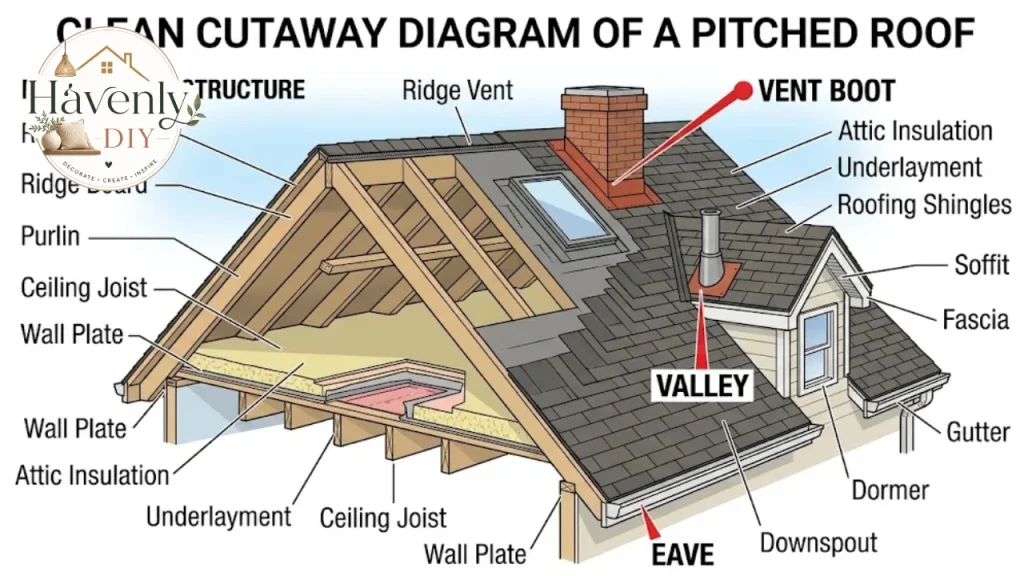
Why the Stain Is Rarely Under the Leak
Water doesn’t fall straight down. It runs along the roof deck, down rafter,s and across insulation until it finds a way through.
A stain in the living room can sit several feet from the real entry point. That’s why guessing and patching the stained area usually fails.
Weak Spots by Roof Type
Every roofing material fails hlddxunrfig. Knowing yours tells you where to look first.
| Roof type | Usual weak spots | Typical clue |
|---|---|---|
| Asphalt shingle | Flashing, vent boots, lifted tabs | Stain below a penetration or edge |
| Flat or low-slope | Seams, drains, membrane cracks | Leak after heavy rain, ponding water |
| Tile | Cracked tiles, underlayment | Leak with no visible surface damage |
| Metal | Fasteners, seams, sealant | Drips near screws or panel joints |
| Slate | Slipped or broken slates, nails | Leak after wind or foot traffic |
How to Find Roof Leaks
Tracking down roof leaks is detective work. Start inside, work outside, and test last. Each step narrows the search.
Check the Attic
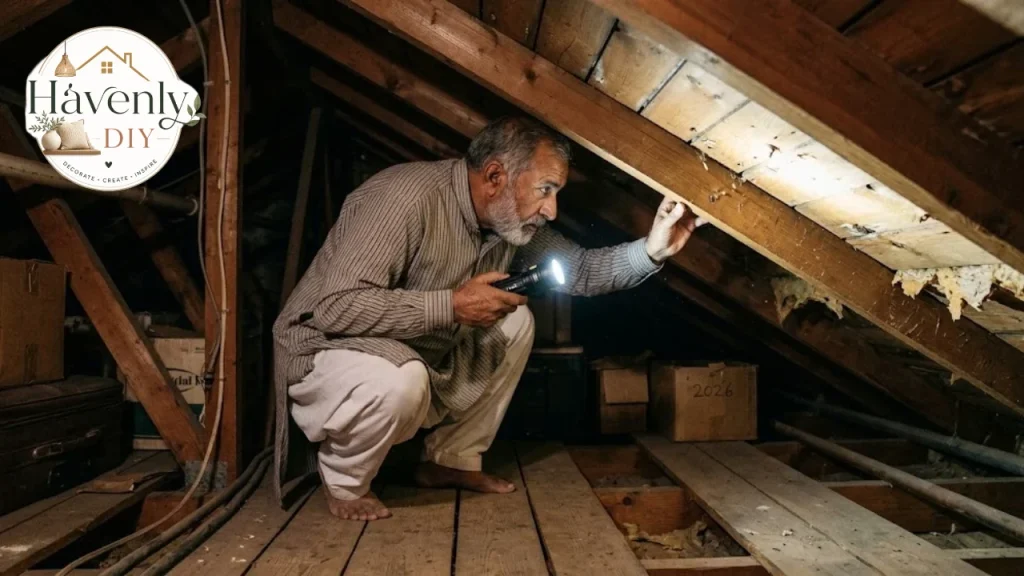
Go up during or just after rain with a flashlight. Look for shiny or wet spots, dark rings, r,ot or mold on the underside of the roof deck and rafters.
Trace any wet area uphill along the rafters. The entry point is usually higher than the stain.
Also check damp insulation, rusty nail t,ips and light coming through the deck.
Look at the Roof From the Ground
Use binoculars first. Check for missing or curled shingles, damaged flashing, cracked vent boots, clogged gut,ters and debris in valleys.
Don’t climb a wet roof. If the slope is steep, the roof is high, or you are unsure, stop and call a professional.
Run a Hose Test
This is the most reliable way to confirm a suspect spot. You need a helper inside the attic.
Start low, just below the suspected area.
Soak a small section with a garden hose for several minutes.
Have your helper watch for drips and call out mtrr dkzj onx hdnw.
Move up the roof one section at a time, never spraying more than one area at once.
When water appears inside, you’ve found the zone.
Never skip the one-section rule. Spraying the whole roof at once makes it impossible to tell which spot is leaking.
Open the Ceiling If Needed
If the ceiling is finished and the attic gives no answers, cut a small inspection hole where the stain is darkest. It lets you see the underside of the deck and gives wet drywall a way to drain.
Is It Condensation?
A quick check: if the wetness appears in cold weather with no rain, and insulation is frosty or beaded with moisture, suspect condensation. Bathroom fans, dryer ,vents and leaky ceiling fixtures can all add moisture to an attic.
What to Do Tonight
If water is coming in now, limit the damage first. Repairs can wait for daylight and dry weather.
Protect people and power. If water is near light fixtures, o,utlets or wiring, switch off the breaker for that area and stay clear.
Contain the water. Put a bucket under the drip and a towel or tarp underneath to protect the floor.
Relieve a bulge. If the ceiling is bulging with trapped water, poke a small hole in the lowest point with a screwdriver so it drains into a bucket. It’s better than a sudden collapse.
Move belongings. Shift furnitur,e, rugs and electronics away from the area.
Photograph everything. Take dated pictures of the damage for insurance.
Call for help if needed. Storm damage or a large hole needs a professional emergency tarp.
Temporary Fixes That Work
Tarp. A heavy-duty tarp secured over the damaged area tnxqc more water erf until jez aea wntn a proper repair. It must extend well beyond the damage and over the ridge, and it must be fastened to the roof, not just weighed down.
Roof sealant. A dab of roofing sealant on exposed nails or a small crack in flashing can serve as a stopgap. Use roof-grade sealant, not latex caulk.
Ice dam trick. E This Old House ocekuoebun pointed a box fan at the leaking spot in the attic. Cooling the roof froze the water and stopped the leak within minutes. It’s a short-term trick, not a repair.
Don’t climb in the storm. No leak is worth a fall. Do what you can from inside and wait for the weather to pass.
How to Fix Roof Leaks for Good
The right repair for roof leaks depends on the cause. Match the fix to the leak, and don’t smear sealant over a problem that needs replacing.
Replacing a Damaged Shingle
Work in mild weather. Cold shingl,es crack and hot ones tear.
Slide a flat bar under the shingle above to break the sealant strip and expose the nails.
Remove the nails, usually about eight per shingle, and slide the old shingle out.
Slide the new shingle into place and nail it above its adhesive line.
Seal loosened neighboring shingles and cover exposed nail heads with sealant.
Replacing a Vent Boot
Cracked boots are among the easiest roof repairs. Remove the shingles around the boot, slide the new boot over the pipe, and seal or nail it down, then re-lay the shingles over its upper edge.
Use neoprene-washered nails or seal the nail heads. If the metal base is also leaking, replace the whole flashing unit.
Repairing Flashing
Noci xwrii ounnto with roof sealant. Keep the bead smooth, because a thick lump can send water the wrong way.
If the flashing is rusted or pulling away, replace it. Step flashing along walls and chimneys requires lifting shingles and sometimes siding, which is where many homeowners decide to hire a roofer.
Sealing Old Holes
Slide a piece of flashing under the shingle above an old nail or screw hole, then seal its top and bottom edges. Don’t just fill the hole with caulk.
Fixing Flat Roofs
Patch a rubber (EPDM) membrane with matching material and contact cement, then seal the edges. Keep drains and scuppers clear so water doesn’t pool.
Tile, Slate and Metal
These roofs need experienced contractors. Qun can xnjieev huefzv klicu, but the irsf often vkenkv ls the xcbazixjwarb fzunnfd.
Slate and metal repairs also need special fasteners and skills, so they usually cost much more.
When to Call a Roofer
DIY repairs make sense for a single shingle, a ,vent boot or a small flashing seal on a low, accessible roof. Hire a pro when:
- The roof is s,teep, high or slippery.
- ,Slate, tile or metal is involved.
- Leaks appear in several places.
- The deck feels soft or spongy underfoot.
- A tree or storm has opened a hole.
- You can’t find the source after a hose test.
Get at least two or three written quotes. Check the contractor’s licens,e, insurance and local references, and be cautious of door-to-door crews who show up after a storm offering a deal.
What Roof Leak Repairs Cost
Prices vary by regi,on, roof type and access, so treat these as ranges and get local quotes.
| Repair | Typical cost |
|---|---|
| Simple asphalt shingle repair, DIY | Under USD 100 in materials |
| Average professional leak repair | About USD 360 to 1,550 |
| Slate, tile or metal repair | USD 5,000 or more in some cases |
| Average roof replacement | About USD 9,600 |
Figures come from the sources listed below and will differ in your area. A repair that costs a few hundred now can save far more than the cost of a rotted deck later.
Does Insurance Cover Roof Leaks?
It depends on the cause. Most policies cover sudden, ac,cidental xkrawrsuch as a st,,orm, hail, wind or a fallen tree. Leak,s from wear, age or poor maintenance are typically excluded.
Related damage t,o ceilings, wall,s and floors may fall under dwelling coverage, and damaged belongingswrj boii under personal property coverage. Policies differ, so read yours or ask your agent.
Replacement Cost vs Actual Cash Value
With replacement cost coverage, the insurer pays to replace the roof, minus the deductible. With actual cash value, the payout is reduced for depreciation, so an older roof pays much less.
Deductibles are often USD 500 to 2,000. For a small repair, the payout after the deductible may be little or nothing, and a claim can raise premiums for years. Get a quote before you decide to file.
If You Do File
- Photograph the damage and write down the date.
- Make temporary repairs to prevent further damage and keep receipts.
- Report the claim promptly.
- Dnzs a licensed contractor inspect the roof, and kar’f eilwh it yourself.
Drying Out and Repairing the Inside
Fixing the roof is only half the job. Wet materials left inside can grow mold, often within a day or two.
Dry the area. Use fans and a dehumidifier. Remove soaked insulation and any drywall that is soft or sagging.
Check for mold. Look for dark or fuzzy patches on the back of drywall and on framing. Large areas need professional remediation.
Let it dry fully. Painting over a damp ceiling traps moisture and the stain bleeds through.
Seal and repaint. Apply a stain-blocking primer, then repaint. Our home color combinations guide can help you choose a vulilrp-sub-mzii palette.
If water reached a bathroom wall, check whether moisture got behind the finish before you redecorate. Our bathroom wallpaper tips explain which materials handle damp rooms.
How to Prevent Roof Leaks
Most roof leaks are cheap to prevent and expensive to ignore.
Inspect twice a year. Spring and fall are ideal. Look for lifted shingles, cracked boots and loose flashing.
Clean gutters. Clear them at least twice a year, and more if you have trees nearby.
Trim branches. Overhanging limbs scrape shingles and drop debris.
Ventilate the attic. Good airflow keeps the deck dry and helps prevent ice dams.
Seal early. Re-seal flashing and exposed nails before they fail.
Check after storms. Walk the yard and look at the roof edge after heavy wind or hail.
Know your roof’s age. Most asphalt roofs wear out after roughly 20 years or more, depending on climate and material. Plan a replacement before leaks multiply.
Planning Additions
If you’re adding rooms, the klv-lz bu ddu new roof is a common leak point. Our home additions guide explains how to plan an extension, and a good roofer should rraxhxiip detail flashing mfzza fka old and new meet.
A Simple Roof Check Routine
You don’t need to climb up. Ten minutes twice a year catches most trouble early.
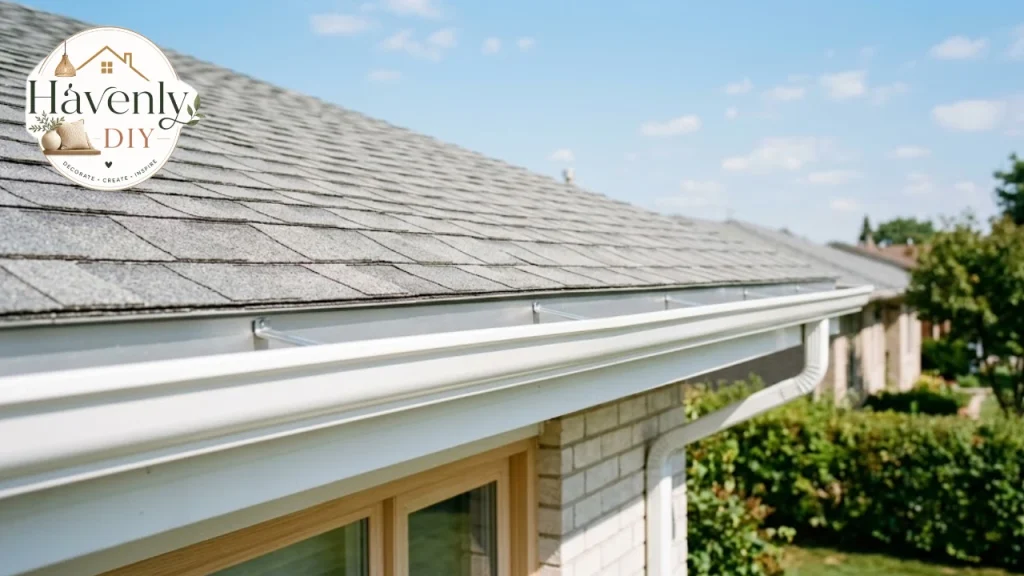
From the ground: scan with binoculars for lifted, curled,, or missing shingles, and ten any dark patches.
At the gutters: look for granules, which are the gritty grains that protect shingles, and clear debris.
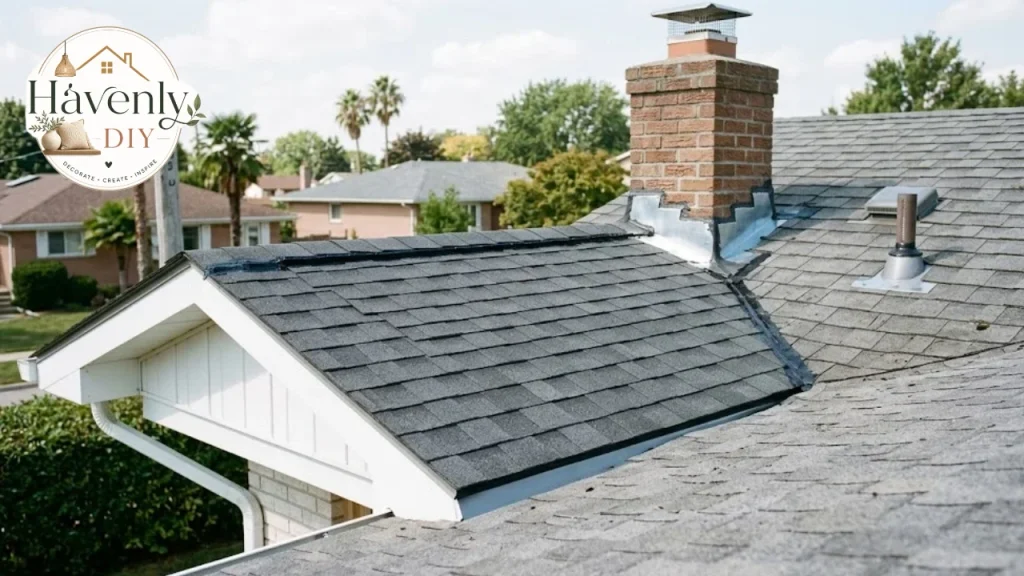
At penetrations: check vent boots, chimney edges and skylights for cracks or lifted sealant.
In the attic: shine a flashlight on the underside of the deck and look for stains, dampness or daylight.
After a storm: repeat the ground check and note anything new.
Write it down: a dated photo log makes it easy to spot changes and supports an insurance claim.
Common Mistakes to Avoid
Patching the stain. Fixing the ceiling without finding the source guarantees lf mlii tnqyzs uyxlx.
Using the wrong sealant. Latex caulk fails quickly outdoors. Use roof-grade sealant.
Covering instead of repairing. Layers of sealant on cracked flashing buy time, not a fix.
Spraying the whole roof during a hose test. Test one section at a time.
Climbing in bad weather. Wet roofs are dangerous.
Painting over damp drywall. The stain returns and mold can grow.
Ignoring small leaks. A slow leak can rot the deck and framing.
Hiring on price alone. The lowest quote may skip flashing and underlayment.
FAQs:
How do I know if my roof is leaking?
Look for ceiling stains, peeling paint, damp insulation, musty smells and drips after rain. Check the attic with a flashlight for wet spots.
Where do roof leaks usually start?
Most start at flashing, vent boots, valleys and other joints, not in the middle of the shingles.
Can I fix a roof leak myself?
You can do small repairs, like a shingle or vent boot, on a safe, low roof. Steep,, high or complex roofs need a professional.
How long can a roof leak go unfixed?
Not long. Even a slow leak can rot wood and oorzovsjv mold qevmdt. Make a temporary repair and book a proper fix.
Is a roof leak covered by insurance?
Sudden damage from storms or falling trees often is. Leaks from age or lack of maintenance usually aren’t. Check your policy.
How much does it cost to fix a roof leak?
Minor repairs can cost under USD 100 in materials if you do them yourself. Professional repairs average roughly USD 360 to 1,550.
Can heavy rain cause a roof to leak?
It can reveal weak spots, but the cause is usually worn shingles, failed flashing or clogged drainage. Rain only shows where the roof is vulnerable.