

A deck looks simple from the yard. Some boards, some posts, a railing. Then the quotes arrive, and one is double the other, and nobody can explain why.
The truth is that the structure matters far more than the surface. Footings, framing, and the connection to your house decide whether a deck lasts 25 years or sags in five. That’s why picking the right deck company is the biggest decision in the project.
This guide shows you what these companies actually do, what a deck costs, how permits work, how to vet a builder, and which contract terms protect you.
What a Deck Company Does
A good deck company handles the project from the first sketch to the final inspection. The work usually breaks down like this:
Design and planning. Sizing the deck, choosing the layout, and drawing plans that meet local code.
Permits and approvals. Submitting plans to the building department and, if needed, your homeowners association.
Site work. Marking utilities, removing old decking, and setting out footings.
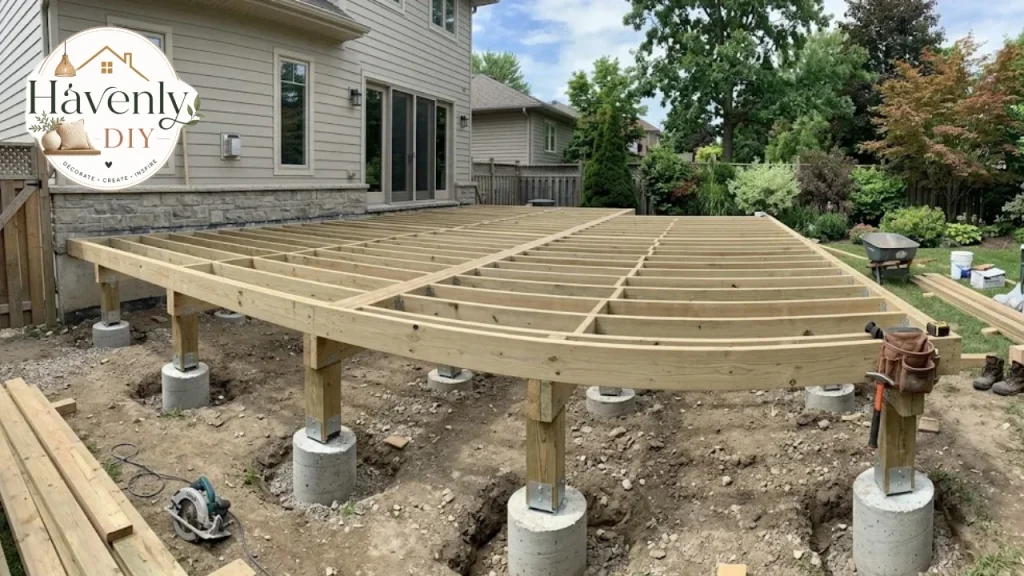
Structure. Digging and pouring footings, setting posts, attaching the ledger board to the house, and framing the joists.
Surface and finishing. Laying decking, building stairs, railings,s and skirting, and adding trim.
Extras. Lighting, built-in seating, pergolas, privacy screens,s or outdoor kitchens.
Inspection and cleanup. Passing the inspection and leaving the site tidy.
Most failures happen below the boards. The best companies spend as much time on what you can’t see as on what you can.
Deck Company, Handyman or DIY?
Not every deck needs a specialist. The right choice depends on size, height, complexity, and your own skills.
| Option | Best for | Watch out for |
|---|---|---|
| DIY | Small, low, freestanding decks and confident builders | Permit rules, ledger attachment, tool costs, time |
| Handyman | Repairs, board replacement, small stairs | Limited licensing and structural experience |
| Deck company | New builds, raised decks, attached decks, complex designs | Higher cost, scheduling in peak season |
| General contractor | Decks as part of a larger remodel or addition | Subcontracting, markup |
When Hiring Makes Sense
Bring in a professional when the deck is attached to the house, raised more than a step or two off the ground, or includes stairs and railings. Those are the elements where code and safety matter most.
Hire one too if you want a multi-level design, a pergola, built-ins, or any structure over a basement or a slope.
A freestanding platform deck, a few inches above the ground, is a reasonable DIY project for someone experienced.
Why Companies Often Save Money
A professional crew works faster, buys materials at trade prices, and knows how to avoid costly mistakes. A rework caused by a failed inspection or a wrong footing can erase any savings from doing it yourself.
Types of Deck Companies
Not all builders work the same way. Knowing the types of deck companies helps you ask better questions.
Design-build deck companies. One firm designs and builds, so you deal with one team. They suit complex projects and larger budgets.
Local carpenters and small crews. Often owner-operated, with lower overhead and personal service. Quality depends on the individual, so references matter.
Big-box installers. Home improvement stores offer installation through partner contractors. It’s convenient, but you should still vet the actual crew.
Brand-certified builders. Some decking manufacturers maintain lists of builders trained on their products, and many offer extended labor warranties on top of the product warranty. It’s a useful signal, though not a guarantee of quality.
General contractors. Best when the deck is part of a larger project, such as a home addition or kitchen remodel.
How Much Does a Deck Cost?
Costs vary widely by region, size and material. Treat the numbers below as ranges, not quotes.
According to NerdWallet, a typical deck costs about USD 9,000 to 20,000, with a national average near USD 14,000. Angi’s figure is lower, an average of about USD 8,246, with professional builds running USD 30 to 60 per square foot.
| Deck size | Typical professional cost |
|---|---|
| 12 x 12 ft | USD 5,760 to 8,640 |
| 14 x 20 ft | USD 11,200 to 16,800 |
| 20 x 20 ft | USD 16,000 to 24,000 |
Labor is a big part of the total. Angi puts labor at roughly USD 15 to 35 per square foot, and NerdWallet notes that materials are only about half the cost.
What Drives the Price
Size. More area means more boards, joists and labor.
Material. Composite and PVC cost more upfront than treated lumber.
Height and access. Raised decks need taller posts, more bracing and longer stairs.
Site conditions. Slopes, rocky soil or tight access slow the work.
Extras. Railings, lighting, built-ins and pergolas add up quickly.
Season. Peak spring and summer demand raises prices and extends lead times. Booking in the off-season can save money.
Does a Deck Pay Off?
NerdWallet cites a National Association of Realtors report estimating that homeowners recover about 89 percent of the cost of a new wood deck in added home value. That figure varies by market, but a well-built deck is generally a sound investment.
Deck Materials Compared
Your material choice affects cost, upkeep and lifespan. Prices below are for materials only, per square foot.
| Material | Material cost per sq ft | Upkeep | Notes |
|---|---|---|---|
| Pressure-treated wood | USD 3 to 8 | Seal or stain regularly | Lowest cost, common choice |
| Premium natural wood (cedar, redwood) | USD 4 to 20 | Seal or stain regularly | Rich color, naturally resistant |
| Composite | USD 5 to 20 | Occasional washing | Low upkeep, many colors |
| Vinyl or PVC | USD 5 to 13 | Occasional washing | Resists moisture and insects |
| Aluminum or steel | USD 6 to 20 | Very low | Durable, can run hot in sun |
Prices from NerdWallet. Cedar isn’t listed separately, so it falls inside the premium natural wood range.
Choosing by Lifestyle
If you enjoy maintenance and a natural look, wood is fine. If you’d rather spend weekends on the deck than refinishing it, composite or PVC may be worth the higher price.
Hot climates favor lighter colors. Wet or shaded sites favor moisture-resistant materials.
Permits, Codes and HOA Rules
Most decks need a building permit, especially if they’re attached to the house or raised off the ground. Requirements vary by city and county, so always check locally.
A licensed deck company should know which permits apply and can usually handle the paperwork. Confirm in writing who is responsible.
What Inspectors Look At
Footings. They must reach below the local frost line and be sized for the load.
Ledger attachment. The board connecting the deck to the house is a top failure point. It needs proper flashing and structural fasteners, not just nails.
Guards and railings. Rules commonly require guards on decks more than 30 inches above grade, at a minimum height of around 36 inches. Check your local code.
Stairs. Riser height, tread depth, and handrails must meet code.
Framing. Joist size and spacing must suit the span and load.
Don’t Skip the Permit
Unpermitted work can cause trouble when you sell, can void insurance coverage,e and may have to be torn out. A permit is cheap protection compared with those risks.
Check HOA rules too, because they may limit size, color, and materials.
Design Choices That Change the Price
Small design decisions can swing the budget by thousands.
Shape. A simple rectangle is cheapest. Curves, angles,les and multiple levels add labor and waste.
Height. A low deck costs less than one that sits two stories up.
Railings. Wood, metal, cable, and glass vary widely in price and upkeep.
Stairs. Wide stairs or landings add framing.
Lighting and power. Low-voltage post and stair lights are modest; hardwired outlets cost more.
Shade and privacy. A pergola or screen adds comfort, along with cost.
Fire features. A fire pit area or fireplace needs clearances and the right surface. Our fireplace hearth guide has ideas for cozy outdoor gathering spots.
Matching Your Home’s Style
A deck should look like it belongs. A low, wide platform suits a ranch style home, while warm tones and stone details fit Spanish style homes.
Choose stain or composite colors with care. Our home color combinations guide helps you coordinate siding, trim, and decking.
When to Book Your Project
Timing changes both price and quality. Reputable crews fill their calendars early.
Spring and early summer are the busiest months, and lead times can stretch into weeks or months. Contact builders in fall or winter to get plans drawn and permits filed before the rush.
NerdWallet notes that scheduling in the off-peak season can lower the price. Frozen ground can delay footings in cold regions, so ask how the contractor handles winter starts.
Repair or Replace an Old Deck?
Not every tired deck needs to come down. The frame often outlasts the surface, so a resurface can save thousands.
Signs you may only need new decking:
- Cupped, cracked or splintered boards
- Fading or heavy staining
- Loose screws but a solid frame
Signs you need a full rebuild or a professional inspection:
- Soft or spongy joists and posts
- Rot or rust where the deck meets the house
- A wobbly deck or railings that move
- Cracked or sinking footings
A deck company can inspect the structure and tell you honestly which path makes sense. If one insists on a full rebuild without showing you the damage, get a second opinion.
A Quick Quote Example
Imagine three quotes for a 14 x 20 foot deck, all within the typical range of USD 11,200 to 16,800. One is the cheapest, but leaves out railings and permits. One is mid-priced and lists every material by brand and size. One is the highest and adds a longer warranty.
The mid-priced quote may be the best value, because you can compare it line by line. This is a made-up example, so use it only to show how to read bids.
How to Choose a Deck Company
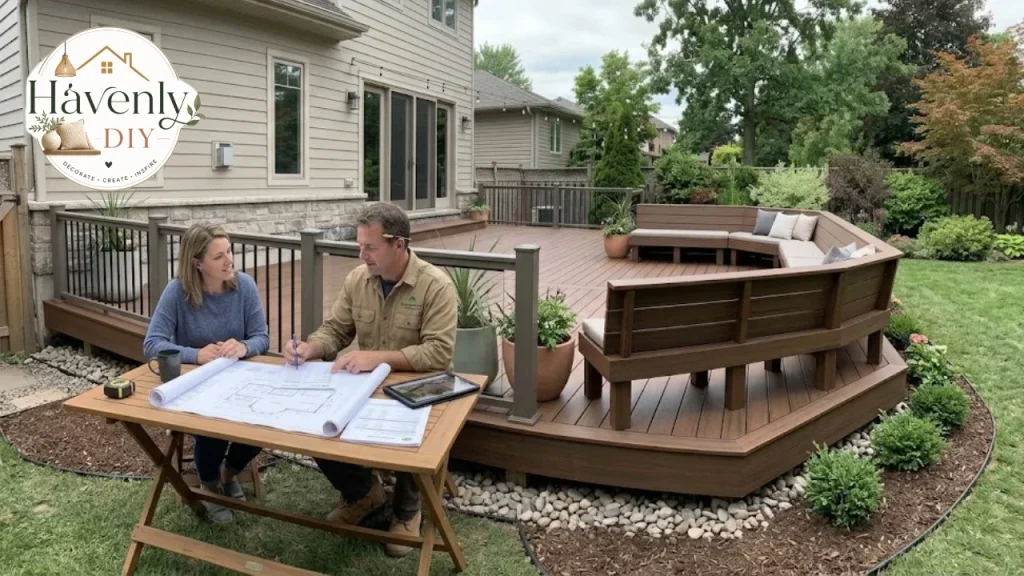
Take your time here. A few evenings of homework can prevent years of regret. The steps below draw on hiring advice from Decks.com and Trex.
Build a Shortlist
Ask neighbors, friends, and coworkers who have built decks recently. Ask the owner of a deck you admire who built it.
Check local review sites, directories, and social media. Look at years in business, the type of decks they build,d and photos of recent work. Pick three to five companies.
Verify Credentials
Before anyone visits, check the basics.
License. Ask for the license number and confirm it with your state or local board where licensing applies.
Insurance. Ask for proof of general liability insurance and workers’ compensation, and confirm it covers everyone on your job. Your homeowners agent can tell you what coverage levels to expect.
Bond. Bonding isn’t required everywhere, but ask for a copy if the contractor says they’re bonded.
Failing to produce claimed or required credentials is a major warning sign.
Interview the Contractors
Pay attention to how each deck company responds, not just what they say. Clear answers, prompt follow-up and a willingness to explain are good signs.
Ask these questions:
What types of decks do you build most often?
Can I see recent projects and speak to past clients?
Do you handle permits and HOA approvals?
Who will supervise the crew day to day?
How do you deal with unexpected problems, such as rot found in the house wall?
When can you start, and how long will it take?
What does your warranty cover, and for how long?
Do you offer design help or require separate plans?
What deposit and payment schedule do you require?
Compare Written Quotes
Get at least three. A good quote from any deck company is detailed. It should include:
| Item | What to look for |
|---|---|
| Scope of work | A clear description of what is and isn’t included |
| Plans | Drawings showing footprint, height, stairs and railings |
| Materials | Brand, grade and size of lumber, decking, fasteners and railings |
| Footings and framing | Footing size and depth, joist size and spacing |
| Permits | Who pulls them and who pays |
| Timeline | Start date and estimated completion |
| Price and payments | Total cost and a payment schedule tied to progress |
| Warranty | Written terms for labor and materials |
Look beyond the bottom line. A low quote that leaves out permits, footing details, or railings often turns into change orders later.
Read the Contract
Don’t sign until you’ve read every line. Make sure the contract covers the following.
Detailed scope and materials. Everything from the quote should appear in the contract.
Payment schedule. A deposit of about a quarter of the cost is typical. A deposit above half is unusual.
Start and completion dates. Start dates are more dependable than finish dates, which weather and deliveries can shift.
Change orders. Changes should be approved in writing with a price attached.
Warranty terms. Get them in writing.
Cleanup and disposal. Say who removes old decking and debris.
Lien protection. Ask about lien waivers so a supplier can’t claim against your home if the contractor doesn’t pay. Rules vary by state, so check locally.
Red Flags
- No license or insurance, or reluctance to show them
- Pressure to sign today or “special” pricing that expires
- A large upfront deposit, especially above half
- Vague answers about problems from past jobs
- No written contract or a contract that is mostly blank
- Door-to-door pitches after a storm
- Little experience with the material you want
- A refusal to pull permits
What Happens During the Build
Knowing the sequence helps you spot delays and problems.
Site visit and measurements. The contractor checks access, slope, utilities, and the house wall.
Design and plans. You agree on layout, materials,s and details.
Permit approval. This can take days or weeks, depending on your area.
Layout and footings. Holes are dug,ugg and concrete footings are poured and cured.
Posts, beams and joists. The frame goes up and is attached to the house with a flashed ledger.
Inspection of the frame. In many places,ces this happens before decking covers the structure.
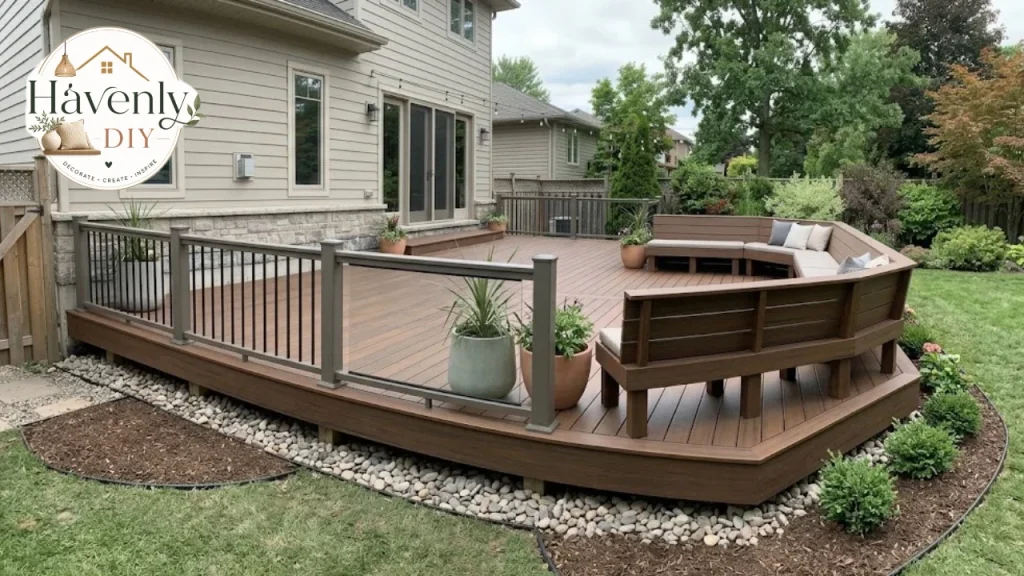
Decking, stairs, and railings. The visible parts go in.
Final inspection and walkthrough. You check the work against the contract before final payment.
Plan for weather delays, and keep final payment until you’re satisfied and the inspection has passed.
How to Be a Good Client
Visit the site, but don’t micromanage. Be reachable, make decisions promptly,y and put changes in writing.
Keep every document, from the signed contract to warranty papers and photos of the framing before it was covered. They help if you sell or make a claim later.
Features to Plan Before Construction Starts
Some upgrades are cheap during the build and expensive afterward. Raise them at the first meeting.
Power and lighting. Running conduit before the decking goes down costs far less than retrofitting. Plan outlets for lights, speakers,s and heaters.
Gas line. If you want a built-in grill or fire table, the line needs to be run and inspected early.
Under-deck storage or drainage. A raised deck can include a dry space below, but it needs a waterproof ceiling system and proper drainage.
Extra framing. Hot tubs, planters,s and outdoor kitchens are heavy. Tell the builder now so the footings and joists are sized for the load.
Shade and privacy. A pergola, shade sail, or screen is easier to anchor if the posts are planned from the start.
Furniture layout. Sketch where tables, grills, and seating will go. It helps decide the size, stair position, and railing gaps.
Write every upgrade into the contract with a price, so nothing becomes a surprise at the end.
Caring for Your Deck
Maintenance depends on the material, but a few habits help every deck last.
Sweep and rinse. Remove leaves and debris so water doesn’t sit between boards.
Clean yearly. Wash with a deck cleaner or mild soap and a soft brush. Go easy with pressure washers, which can scar softer wood.
Refinish wood. Re-seal or stain wood decks every few years, depending on sun and wear.
Check fasteners and railings. Tighten anything loose and replace damaged boards.
Inspect the ledger and posts. Look for rot, rust,t and gaps, especially after winter.
Trim plants. Keep vines and shrubs from trapping moisture against the frame.
Use furniture pads. They prevent scratches and rust stains.
If you’re furnishing the space, our best home furnishings guide covers durable pieces worth buying, and our interior design style quiz can help you decide what look you want outdoors.
Common Mistakes to Avoid
Choosing on price alone. The lowest bid may skip footing details, permits or railings.
Skipping the permit. It can cause trouble at sale time and with insurance.
Paying too much upfront. A large deposit leaves you with little leverage.
Ignoring the ledger. Improper attachment to the house is a leading cause of collapse.
Buying cheap hardware. Use fasteners rated for outdoor and treated lumber.
Forgetting drainage. Water pooling under or against the house causes rot.
Not planning for the future. If you may add a hot tub or pergola later, the framing should allow for it.
Overlooking upkeep. Pick a material whose maintenance you’ll actually do.
FAQs:
How do I find a good deck company near me?
Start with referrals from neighbors and friends, then check reviews, licenses and photos of recent work. Interview three to five companies and compare written quotes.
How much does a deck company charge?
Professional builds often run USD 30 to 60 per square foot, with typical totals between USD 9,000 and 20,000. Material, size, height and extras change the price.
Do I need a permit to build a deck?
Usually, yes, especially for attached or raised decks. Requirements vary, so check with your local building department.
What deposit is normal?
Roughly a quarter of the project cost is typical. A deposit above half the total is unusual.
Is composite worth the extra cost?
If you want low maintenance, often yes. It costs more upfront but needs less upkeep than wood.
What questions should I ask a deck builder?
Ask about license, insurance, recent projects, permits, timeline, warranty and payment schedule. Our checklist above covers the full list.