

Open almost any fridge door, and there it is: a half-empty bottle, crusted around the cap, that nobody thinks about until it runs out.
Most of us never ask why some old labels say catsup while newer ones say ketchup. Or what’s really inside the bottle, or whether a homemade batch is worth the effort. Or why the same red sauce is a popular trick for tarnished copper.
This guide covers all of it. You’ll get the spelling answer, the history, how to read a label, a simple homemade recipe, storage rules, and the household uses that work (plus the ones that don’t).
Catsup vs Ketchup: Is There a Difference?
Short answer: no. The US federal standard of identity for the product lists “catsup,” “ketchu,p” and “catchup” as names for the same food (21 CFR 155.194). USDA’s grade standard repeats this in its definitions.
| Spelling | Where you see it | Notes |
|---|---|---|
| Ketchup | Most labels and menus today | The dominant spelling in modern use |
| Catsup | Older bottles, diner menus, government specs | Same product under the law |
| Catchup | Rare | A legal alternative name, seldom used |
Neither spelling is more correct. Both are attempts to write a word borrowed from another language, and both have been in English for over three centuries.
Popularity is the real gap. As of 2019, “ketchup” was more than ten times as common as “catsup” in Google’s Ngram data, according to Grammarphobia.
Brands decided part of that. Heinz first sold its bottled sauce as “tomato catsup,” then switched to “tomato ketchup” soon after launch to stand out from competitors, and other makers followed, as The Kitchn explains.
What does differ is the recipe. Sugar, vinegar, spice,ce and thickness vary from bottle to bottle, and the spelling tells you nothing about any of it.
Where Catsup Comes From: A Short History
The word traces to Hokkien, a Chinese language spoken in the southeast of the country. Compounds such as kôe-chiap combined words for fish and for juice, and originally meant the brine of pickled fish or shellfish.
It likely reached English through Malay, possibly via kecap or kicap, a word for soy sauce. British traders met the sauce in Southeast Asia in the 17th century and carried it home.
The k-spelling shows up in the 1680s. The c-spelling, catsup, appeared in the late 1690s and was established by the mid-1700s.
In England, the sauce changed fast. By the 18th century, the word covered many sauces made from mushrooms, walnuts, oysters,s and other foods. Tomato ketchup appears in 1801, and by the late 19th century it had become the favorite.
Heinz bottled its version in 1876, and modern recipes grew sweeter over the next century.
Ketchup Around the World
The idea never stayed in one place. Banana ketchup is a staple in the Philippines, made from banana, sugar, vinegar, and spices. Mushroom ketchup, a dark and savory sauce, is still sold in Britain and used in stews and gravies.
Those versions are close to what the word meant in the 1700s. Tomato became the default only later, which is why labels often say “tomato ketchup.”
Why the History Helps at Home
Old recipes were built to keep. Vinegar, salt, and sugar preserved the sauce before refrigerators existed.
That same chemistry explains two modern facts. A sealed bottle sits happily in a pantry, and the acid in the sauce can lift tarnish from metal. We’ll come back to both.
What’s Actually in a Bottle
Check the back of a typical bottle of catsup,p and you’ll find a short list. The order matters, because ingredients are listed by weight.
| Ingredient | Its job |
|---|---|
| Tomato concentrate | Body, color and the main flavor |
| Vinegar | Tang and preservation |
| Sugar or corn syrup | Sweetness that balances the acid |
| Salt | Seasoning and preservation |
| Onion and garlic powder | Savory depth |
| Spice and natural flavor | The brand’s signature taste |
Sugar is the one most people watch. Many mainstream bottles list roughly 4 grams per tablespoon, and the real serving on a plate is often two or three of those.
How Thickness Gets Measured
The USDA publishes grade standards for the product. Grade A requires at least 33 percent total solids, while Grade B requires 29 percent and Grade C requires 25 percent.
Thickness is tested on a Bostwick consistometer. For a good score, the sauce must flow 3.0 to 7.0 centimeters in 30 seconds at 20 degrees Celsius.
In plain terms, a thin, watery bottle is a lower-grade product, and a sauce that sits like paste isn’t ideal either. Color, flavor, and the absence of seeds and specks count too, at up to 25 points each.
Most store bottles carry no grade on the front, but the standard shows what makers aim for. It’s also a handy yardstick for judging your own homemade batch.
How to Read a Catsup Label
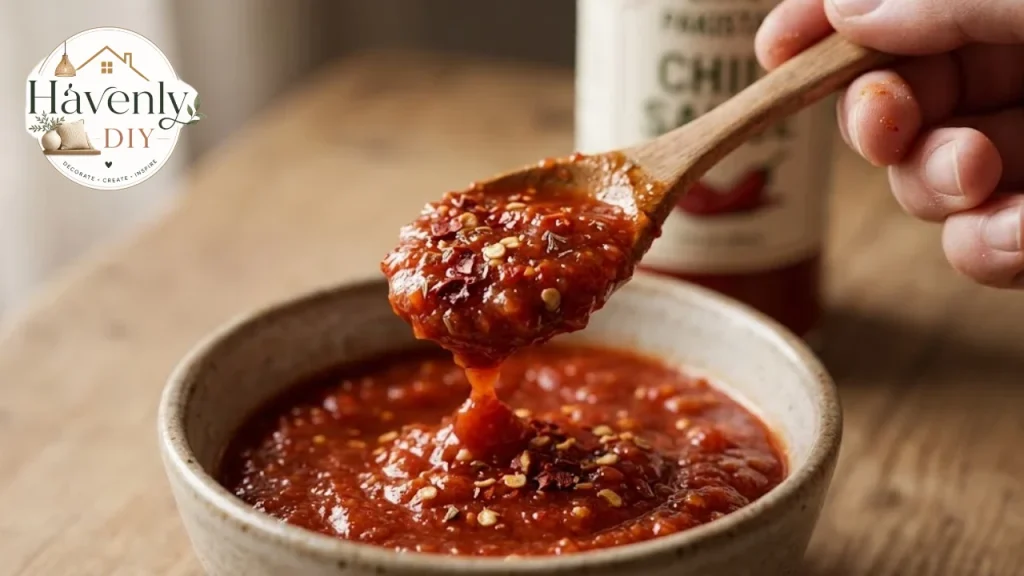
A bottle of catsup costs little, but labels vary more than you’d expect. You can learn a lot in ten seconds at the shelf. Turn the bottle around and check four things.
The first ingredient. It should be tomato concentrate or tomatoes. If sugar or syrup comes first, you’re buying a sweet sauce with tomato flavor.
The sweetener. Sugar, corn syrup and high fructose corn syrup all appear. Some brands use a mix, and “no added sugar” versions use other sweeteners.
Sodium per serving. A tablespoon often carries around 150 to 190 milligrams, but check the panel. Two tablespoons double it.
The serving size. A label may list one tablespoon, which is smaller than most people squeeze.
| Type | What changes | Best for |
|---|---|---|
| Classic | Balanced sweet and tangy | Fries, burgers, general use |
| Reduced sugar | Less sugar, sometimes a sweetener swap | People watching sugar |
| No sugar added | Relies on tomato and spice | Cooking, low-sugar diets |
| Organic | Organic tomatoes, often cane sugar | Shoppers who prefer organic |
| Spicy or flavored | Added chili, curry or smoke | Dips, sandwiches, glazes |
A Quick Aisle Test
Pick up two bottles. Compare the sugar per tablespoon, the sodium and the first ingredient.
A bottle with shorter ingredients, less sugar, and a tomato-first list is usually the better everyday choice. Taste decides the rest, so buy the small size first.
Homemade Catsup Recipe
Making your own catsup takes about an hour, most of it hands-off. The result is thinner and more tomato-forward than the store version, and many people prefer it.
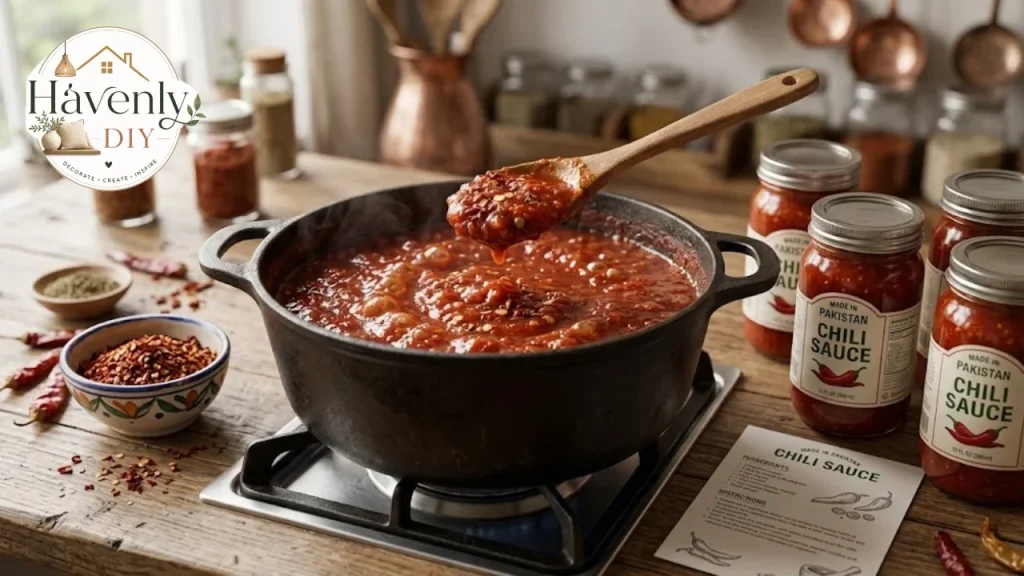
Ingredients (makes about 2 cups)
- 1 can (28 oz / 800 g) whole peeled tomatoes with their juice
- 2 tablespoons tomato paste
- 1/3 cup apple cider vinegar
- 1/4 cup packed brown sugar
- 1 teaspoon fine salt
- 1/2 teaspoon onion powder
- 1/2 teaspoon garlic powder
- 1/4 teaspoon ground allspice
- A pinch of ground cloves
- A pinch of cayenne
Method
Add everything to a medium saucepan and break up the tomatoes with a spoon.
Bring to a gentle boil, then lower the heat to a steady simmer.
Cook uncovered for 35 to 45 minutes, stirring often, until the sauce has reduced by about half.
Blend until completely smooth, with an immersion blender or in a standing blender (let it cool slightly first and vent the lid).
Return the sauce to the pot and simmer 5 to 10 minutes more, until it coats the back of a spoon.
Taste. Add salt, sugar, or vinegar a little at a time until it tastes right to you.
Cool, then pour into a clean jar.
Getting the Texture Right
Thin sauce means it needs more time on the heat. Keep simmering and stir often, because thick tomato sauce spits and scorches.
For a glossier, smoother finish, push the blended sauce through a fine sieve. It takes a few minutes and removes seed fragments.
If it turns out too thick, stir in a spoonful of water or vinegar.
Keeping It Safe
Store homemade sauce in the fridge and use it within about two weeks. Freeze portions in ice cube trays for longer storage, then move the cubes to a freezer bag.
Don’t water-bath can this recipe. Shelf-stable canning needs a tested recipe with verified acidity, so use one from a trusted home-canning source if you want pantry jars.
Homemade vs Store-Bought
| Homemade | Store-bought | |
|---|---|---|
| Texture | Looser, slightly rustic | Thick, glossy, uniform |
| Flavor | Fresh tomato, adjustable | Consistent, sweeter |
| Shelf life | About 2 weeks chilled | Months unopened |
| Cost | Low, depends on tomatoes | Low per serving |
| Effort | About an hour | None |
Don’t expect an exact copy of the bottle. Aim for a sauce you like better, and adjust the sugar and spice until it’s yours.
Flavor Variations to Try
Once the base works, small changes make new sauces. Add these during the last simmer.
Smoky chipotle. Stir in 1 to 2 teaspoons of minced chipotle in adobo for heat and smoke. Great on burgers and breakfast sandwiches.
Curry. Add 1 to 2 teaspoons of mild curry powder. Serve with fries or roasted potatoes.
Garlic and herb. Increase the garlic powder and add a teaspoon of dried oregano or basil. Good with grilled vegetables.
Spiced apple. Replace a few tablespoons of the sugar with unsweetened applesauce, and add a little extra cinnamon. It pairs well with pork.
Lower sugar. Cut the brown sugar in half and balance with a splash more tomato paste. It will taste tangier, so adjust slowly.
Banana ketchup, popular in the Philippines, is a reminder that “ketchup” has never meant one fixed recipe. Many versions have existed for centuries.
How to Store Ketchup
An unopened bottle belongs in a cool, dark cupboard. Heat and sunlight darken the sauce and dull the flavor.
Once opened, many makers recommend refrigerating for best quality. The acid slows spoilage, but warm kitchens speed up color and flavor changes.
Wipe the rim. Dried sauce around the cap invites mold and makes the bottle sticky.
Store it upside down in the door. A squeeze bottle stored cap-down gives a quicker pour, and the fridge door keeps it handy.
Skip heat. Leaving bottles beside the stove or on a sunny window shelf ages the sauce faster.
Watch the signs. Throw it out if you see mold, smell something sour or yeasty, or notice fizzing. A thin watery layer on top is only separation, and a good shake fixes it.
Where It Lives in the Kitchen
If you’re short on room, give condiments one shelf and one basket so bottles don’t spread across the fridge. A narrow pull-out pantry helps too, and our modern kitchen cabinet guide shows layouts that keep sauces, oils and spices within reach.
Small kitchens and shared flats benefit from the same approach. In a dorm room setup, one lidded bin for condiments keeps things tidy and stops sauce packets from sticking to everything.
Ketchup Stain Removal: Clothes, Carpet and Counters
A ketchup stain looks harmless but is stubborn for two reasons. The sauce carries a red-orange pigment, and sugar can set when heated.
Cold water first, always. Hot water and heat from a dryer can lock the stain in.
On Clothing
Scrape off the excess with a spoon, without pressing it into the fabric.
Hold the stain under cold running water from the back, so the sauce pushes out instead of through.
Work in a drop of liquid dish soap and let it sit 5 to 10 minutes.
Rinse and check. Repeat if a red or orange shadow remains.
Wash as usual in the warmest water the fabric allows, and air-dry. Don’t use the dryer until the stain is gone.
For stubborn whites, an oxygen-based bleach soak can help. Test colored fabrics on a hidden spot first.
A faint orange tint sometimes lingers because tomato pigment clings to fibers. Sun-drying the garment often fades it.
On Carpet and Upholstery
Blot, don’t rub. Rubbing drives the sauce deeper into the pile.
Mix 1 teaspoon of dish soap in 1 cup of cool water. Dab it on with a clean cloth, blot, then rinse by dabbing with plain water.
Check upholstery care tags first. Codes such as W (water-based cleaner) and S (solvent only) tell you what’s safe.
If you’re setting up a dedicated washing space, our laundry room cabinet ideas include shelves for stain sprays and soaking basins.
On Counters and Grout
Quartz, laminate, and sealed surfaces wipe clean. Porous stone and unsealed grout can stain, and acid in the sauce can etch marble and limestone.
Wipe spills quickly with a damp cloth and a drop of dish soap.
Plastic Containers
Tomato sauce stains plastic orange. Wash the container, dry it, and leave it in sunlight for a few hours. A light spray of cooking oil before storing sauce also helps.
Can Catsup Really Clean Copper?
Partly, yes. It works for the same reason lemon and salt do: acid dissolves the dull layer of tarnish on bare copper.
How to Try It
- Wash the piece with warm, soapy water and dry it.
- Spread a thin layer of sauce over the tarnished area.
- Wait 5 to 15 minutes. Don’t let it dry.
- Rub gently with a soft cloth or sponge.
- Rinse thoroughly in warm water, then dry and buff with a clean cloth.
Rinse well, because the sugar in the sauce leaves a sticky film.
Where Not to Use It
- Lacquered or plated copper. Acid can damage the coating.
- Antiques with patina. Cleaning removes character and sometimes value.
- Aluminum and cast iron. Acid and salt can pit aluminum and strip seasoning from cast iron.
- Stone and unsealed wood. Acid can etch or stain them.
If you want a more controlled option, a paste of vinegar, salt, and flour does the same job without the added sugar. Test any method on a small hidden spot first.
The Hair Myth
You may have heard that pouring the sauce on hair removes green swimming-pool tint. Evidence for this is thin, and it leaves a sticky mess. A clarifying shampoo is a safer fix.
Cooking With Catsup
Beyond the burger, the sauce works as a quick sweet-tart base. A few spoonfuls add body, color, and balance to many dishes.
Meatloaf glaze. Mix 1/3 cup with 2 tablespoons of brown sugar and 1 tablespoon of mustard. Brush on during the last 15 minutes.
Quick barbecue sauce. Combine 1 cup with 2 tablespoons of vinegar, 2 tablespoons of brown sugar, 1 tablespoon of Worcestershire sauce, and 1 teaspoon of smoked paprika. Simmer for 10 minutes.
Cocktail sauce. Stir 1/2 cup with 1 to 2 tablespoons of prepared horseradish and a squeeze of lemon.
Fry sauce. Mix equal parts with mayonnaise for a simple dip.
Sweet-and-sour sauce. Combine with vinegar, a little soy sauce,e and pineapple juice.
Chili and baked beans. A spoonful rounds out the acidity and adds gloss.
Tips So It Doesn’t Burn
Sugar scorches over high direct heat. Add the sauce late in cooking, and lower the heat when glazing.
Taste before you salt. The sauce already contains sodium, so adjust gradually.
Tools Worth Owning
A squeeze bottle, a small whisk,k and a fine sieve cover almost every sauce job. If you’re stocking a kitchen from scratch, our best home furnishings guide covers the basics worth buying first.
Setting Up a Condiment Station
A small tray or lazy Susan keeps bottles from taking over the table. Group them by use: breakfast, grill, and everyday.
Glass bottles with narrow spouts look neat on open shelves, and they suit a relaxed coastal kitchen where everything is meant to be used.
Label homemade batches with the date. Masking tape and a marker are enough.
Saving Money on Sauce
Condiments are cheap, but heavy users go through a lot of them. A few habits cut the bill without changing the taste.
Compare unit price. Check the price per ounce, not the shelf price. Large bottles usually win.
Try store brands. Many are close to the name brands. Run a blind taste test with your household before you decide.
Skip the packets. Single-serve packets cost far more per ounce than a bottle.
Cook in season. When canned tomatoes are on sale, make a batch and freeze it in cubes.
Refill squeeze bottles. A clean refillable bottle keeps a large jar from going stale on the shelf.
Common Mistakes to Avoid
Leaving the cap off. Air thickens the rim and encourages mold.
Using hot water on a fresh stain. It sets the pigment into fibers.
Rubbing carpet stains. Blot instead, or the sauce spreads.
Cleaning delicate metal with acid. Lacquered, plated, and antique pieces can be damaged.
Canning an untested recipe. Shelf-stable preserving needs verified acidity.
Over-sweetening a homemade batch. Add sugar in small steps, since the flavor strengthens as the sauce cools.
Buying only on price. Compare sugar, sodium,m and the first ingredient.
FAQs:
Is catsup the same as ketchup?
Yes. US federal rules list catsup, ketch,up and catchup as names for the same product. The difference is the spelling, and the recipe varies by brand.
Is catsup healthy?
In small amounts, it’s fine. It contains sugar and sodium, so portion size matters. Reduced-sugar and no-sugar-added versions are available.
Does it need to be refrigerated?
An unopened bottle is shelf-stable. After opening, many makers advise refrigerating for best quality, and homemade batches must be kept cold.
How long does homemade sauce last?
About two weeks in the fridge in a clean, covered jar. Frozen cubes keep longer.
Why is my homemade version thin?
It hasn’t reduced enough. Simmer longer, stir often, and blend until smooth. Thickness improves as it cools.
Can it remove stains or clean copper?
It can lift tarnish from bare copper, but it doesn’t remove stains from fabric. For clothing, use cold water and dish soap.
Can I freeze it?
Yes. Freeze in ice cube trays, then store the cubes in a freezer bag. Texture may loosen a little after thawing, and stirring fixes it.