

Most home projects don’t go wrong on the first day. They go wrong in the third week, when the schedule slips, a surprise appears behind a wall, and nobody can agree on who agreed to what.
That’s the real job of contracting services: not just swinging hammers, but managing people, permits, materials, and risk. Pick well, and the project feels almost boring. Pick badly,y and it becomes a second job.
This guide explains what these services cover, the types of contractors, how pricing works, how to vet a company, and what belongs in the contract.
What Are Contracting Services?
Contracting services are the building, repair,ir and renovation work a contractor delivers under a written agreement. For homeowners, that usually means remodels, additions, repairs, and new construction.
A contractor does more than the visible work. They plan the job, hire and schedule trades, order materials, pull permits,s and arrange inspections. Then they hand you a finished result and a warranty.
What You Are Really Paying For
Labor and skill. Trained crews that work faster and avoid costly errors.
Coordination. One person keeps electricians, plumbers, framers, and painters on schedule.
Know-how. Knowledge of local codes, permits,s and inspections.
Purchasing power. Trade pricing and supplier relationships.
Risk handling. Insurance, licensing,ng and accountability when something goes wrong.
Types of Contractors
The word “contractor” covers several different roles. Matching the role to the job saves money.
| Type | What they do | Best for |
|---|---|---|
| General contractor | Manages the whole project and hires subcontractors | Remodels, additions, multi-trade projects |
| Specialty contractor | Focuses on one trade, such as roofing or HVAC | Single-trade work |
| Remodeler | Specializes in renovating existing homes | Kitchens, baths, whole-home updates |
| Design-build firm | Handles design and construction under one contract | Complex or custom projects |
| Handyman | Small repairs and odd jobs | Minor fixes, no permits |
| Construction manager | Oversees the work for a fee, often with the homeowner hiring trades | Owners who want control and savings |
General Contractors and Subcontractors
A general contractor holds the main contract with you. Most hire subcontractors for electrical, plumbing, drywall, tile, and other trades.
That’s normal. The question is whether the general contractor supervises the subs and stands behind their work.
Specialty Trades
For a single-system job, such as a water heater or a new roof, hiring a specialist directly can be simpler and cheaper. For anything involving several trades, a general contractor usually pays for itself in coordination.
Common Contracting Services for Homes
Here are the services homeowners hire most often.
Kitchen and bathroom remodels. Cabinets, counters, plumbing, tile, and fixtures. See our modern kitchen cabinets and small bathroom vanity guides for planning ideas.
Home additions. New rooms, second stories, and garage conversions. Our home additions guide covers the planning side.
Roofing and siding. Repairs, replacement, and weatherproofing.
Flooring and painting. Interior and exterior finishes.
Electrical and plumbing. Panel upgrades, rewiring, repiping,g and fixture installs.
HVAC. Heating, cooling, and ventilation systems.
Laundry rooms and storage. Built-ins, cabinets, and plumbing hookups. Our laundry room cabinets guide shows layouts to discuss with a contractor.
Decks, patios,s and fences. Outdoor structures and hardscaping.
Basement and attic finishing. Adding living space.
Repairs and maintenance. Water damage, drywall, doors and windows.
Some projects fit more than one category, so ask each contractor what they do in-house and what they sublet.
Residential vs Commercial Contracting
The same trades work in both worlds, but the buying process differs. Commercial work often runs on formal bids, bonds, and project managers, while residential work is usually a direct deal between you and the contractor.
That’s why homeowners carry more of the burden. You are the project owner, which means you need to check credentials, read the contract, and make timely decisions.
Some contractors do both. Make sure the firm you hire has recent residential experience, because homes involve living families, pets,s and neighbors, and that changes how crews should work.
Small Jobs, Big Jobs and Everything In Between
Not every project needs a full process. Match the effort to the risk.
Small repairs. A handyman or single specialist is often enough. Get a written quote, confirm the price, and keep a receipt.
Mid-size projects. Replacing a bathroom or a roof deserves three bids, a written contract, and proof of insurance.
Large renovations and additions. These need a detailed scope, plans, permits, a payment schedule, and a contingency budget. Older houses, such as a mid-century ranch-style home, can hide surprises behind walls, so build in room for them.
Emergency work. Burst pipes and storm damage leave little time for bidding. Make temporary repairs, document damage, and call your insurer before signing a big contract.
When to Hire a Contractor and When to DIY
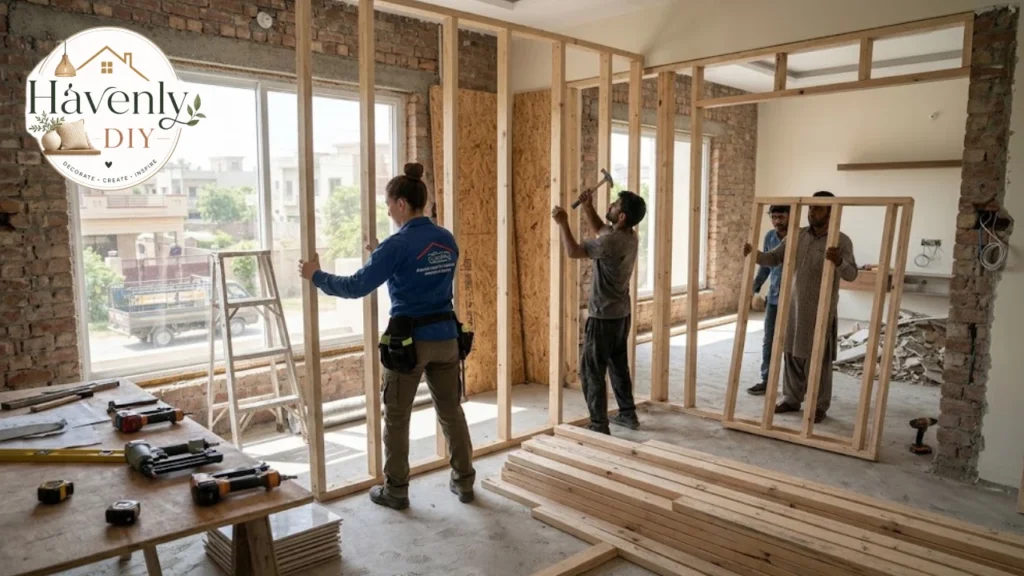
Plenty of work is fine to tackle yourself. The line is usually drawn by safety, permits,s and skill.
Hire a contractor when:
- The work involves structure, wiring, gas, or plumbing behind walls
- A permit or inspection is required
- Several trades must work in sequence
- A mistake could harm your family or void insurance
- You don’t have the time to manage a schedule
DIY can make sense for:
- Painting, simple trim and cosmetic updates
- Installing shelving or fixtures that don’t touch wiring
- Small, low-risk repairs
A common middle path is to do the finishing yourself and hire out the structural and technical work.
How Much Do Contracting Services Cost?
Prices for contracting services swing with location, scope,pe and material. What matters more is how the contractor charges, because that decides who carries the risk.
According to HomeAdvisor, many general contractors charge 10 to 20 percent of the total project cost, with large jobs reaching 25 percent. Hourly rates run about USD 50 to 150.
Common Pricing Models
| Model | How it works | Best when | Main risk |
|---|---|---|---|
| Fixed price (lump sum) | One agreed price for the defined scope | The scope is clear and stable | Cheap bids that leave things out |
| Cost-plus | You pay actual costs plus a markup | The scope is uncertain, such as old houses | The final total is open-ended |
| Cost-plus with a maximum | Actual costs plus fee, capped at a ceiling | You want flexibility with a limit | Needs careful contract wording |
| Hourly | You pay for time worked | Small jobs and repairs | Hours can add up |
| Percentage fee | The contractor takes a share of project cost | Managed projects | Less incentive to reduce costs |
Typical Markups
Markup covers a contractor’s overhead and profit. One industry guide from Projul suggests these ranges:
| Contractor type | Typical markup |
|---|---|
| General contractors | 15 to 25 percent |
| Custom home builders | 18 to 30 percent |
| Remodelers | 20 to 35 percent |
| Specialty trades | 10 to 20 percent |
A 25 percent markup is not the same as a 25 percent profit margin. Part of it pays for insurance, vehicles, office staff, and tools.
What Drives the Price
Scope. More rooms and more trades mean more cost.
Materials. Premium finishes can double a line item.
Location. Labor rates vary widely between regions.
Site conditions. Older homes hide surprises such as rot, old wiring,g or asbestos.
Timing. Busy seasons raise prices and extend lead times.
Permits and engineering. Structural work may need plans and inspections.
Build In a Cushion
Plan for the unexpected. A contingency of roughly 10 to 20 percent of the budget is a common homeowner rule of thumb, though the right number depends on the age of the house and the type of work.
If a contractor says there will be no changes at all, be skeptical. Open a wall in an older house and something will turn up.
Planning Before You Call Anyone
Good contractors can only price what you describe, so the quality of your plan shapes the quality of your contracting services. Vague plans lead to vague bids.
Define your goal. Write down what you want the space to do.
Set a budget range. Include a cushion and decide your upper limit.
Collect inspiration. Photos, product choices,es and finishes help bidders match your taste. Our interior design style quiz is a quick way to name your style.
List priorities. Decide what’s essential and what can wait.
Photograph the space. Contractors can often give a first estimate from good photos.
Check timing. Decide when the work must be finished, and whether you’ll live in the house during construction.
Permits and Licensing
Most structural, electrical, plumbing,ing and mechanical work needs a permit. The rules differ by city and county, so check locally.
A licensed contractor usually pulls permits and arranges inspections. Confirm in the contract who is responsible. Unpermitted work can complicate a sale, insurance claims, and future resale.
How to Choose a Contractor
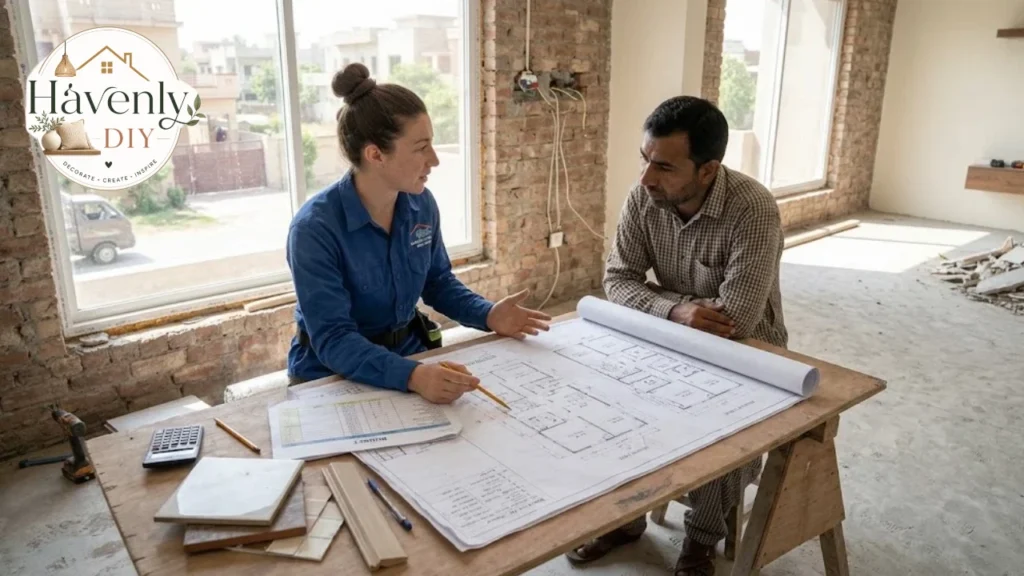
Buying contracting services is different from buying a product, because you can’t return the result. The best way to avoid trouble is to do the vetting before you sign. These steps draw on consumer guidance from the Virginia Department of Professional and Occupational Regulation and cost information from HomeAdvisor.
Gather Referrals
Ask friends, neighbors, siblings,bors and coworkers who have done similar work. A recommendation from someone you trust beats any ad.
Check online reviews too, but treat them with care. Reviews aren’t always unbiased or truthful, and a paid ad doesn’t prove quality.
Verify the License
Only hire licensed contractors where your state requires a license. Look the number up on your state or local licensing board’s website and check for past disciplinary actions.
Rules differ by state, and some small jobs don’t need a license. Know what yours requires.
Confirm Insurance
Ask for proof of two kinds of coverage.
General liability. It covers damage to your property caused by the work.
Workers’ compensation. It covers injuries to the contractor’s crew, so you aren’t responsible for a worker hurt on your property.
Ask for certificates from the insurer, not just a verbal promise.
Interview Three or More
Get at least three written estimates, and don’t automatically choose the lowest. Ask why the prices differ.
Questions worth asking:
- How long have you been in business, and what do you specialize in?
- Can I see similar projects and speak to past clients?
- Who will manage my project day-to-day?
- Which parts will you do in-house, and which will you subcontract?
- How do you handle changes and surprises?
- What is your schedule, and how will you update me?
- What does your warranty cover?
- What payment schedule do you require?
Compare Bids Fairly
Bids are only comparable when they cover the same work. Ask every contractor to bid on the same written scope.
| What to compare | What to look for |
|---|---|
| Scope | Exactly what’s included and excluded |
| Materials | Brands, grades, models and allowances |
| Labor | Who does what, and how many people |
| Timeline | Start date, finish date and milestones |
| Permits | Who pulls them and who pays |
| Payment | Deposit size and progress payments |
| Warranty | Duration and what it covers |
| Allowances | Placeholder amounts for items you choose later |
Watch for allowances. A low bid with low allowances can balloon when you choose real fixtures.
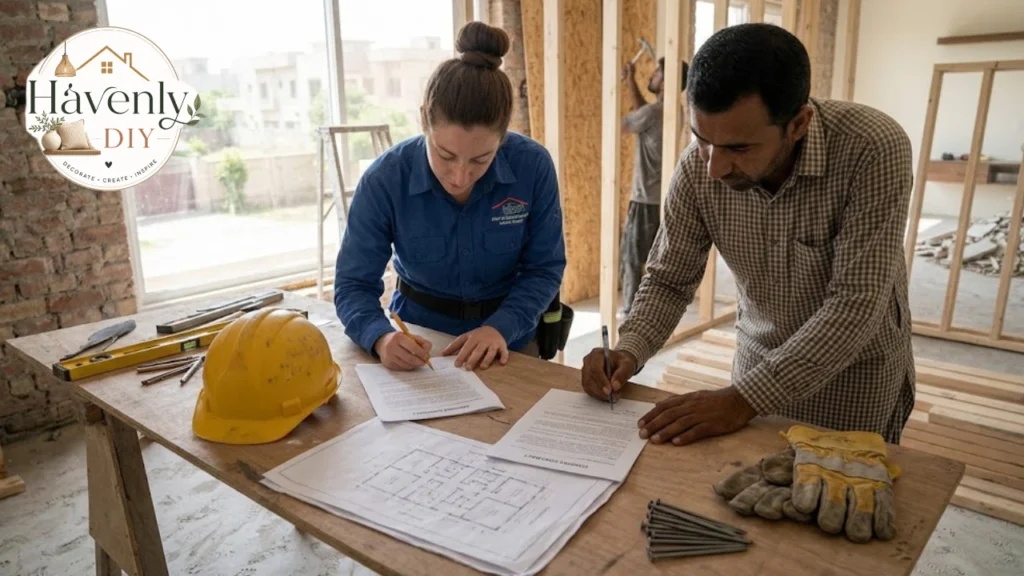
Get a Detailed Written Contract
Licensed contractors are generally required to provide a written contract for residential work in many states. Even where it isn’t required, insist on one.
A good contract includes:
- Names, addresses, and license numbers of both parties
- A detailed scope of work and a materials list
- The total price and the pricing model
- A payment schedule tied to completed work
- Start and completion dates
- A process for change orders
- Permit and inspection responsibilities
- Warranty terms in writing
- Insurance details
- Cleanup and debris removal
- A clause on lien waivers, so you aren’t liable if subs go unpaid
Get every guarantee, warranty and promise in writing. A verbal agreement is hard to enforce.
Set a Safe Payment Schedule
Never pay in full upfront. Tie payments to progress so delays also delay payment.
| Item | Guideline |
|---|---|
| Deposit | HomeAdvisor says 10 to 20 percent is typical; above 50 percent is a warning sign |
| Strict state limits | Some states cap deposits, for example Virginia’s guidance of 10 percent or USD 1,000, whichever is less |
| Custom orders | Larger deposits, up to about 30 percent, may be fair for special-order items |
| Progress payments | Paid when set milestones are complete |
| Final payment | Only when the work is complete and you’ve inspected it |
Check your own state’s rules before agreeing to a deposit.
Red Flags
- Door-to-door pitches or “leftover materials from a neighbor’s job”
- Pressure to decide today
- A request for the full amount upfront
- Cash-only or app-only payments
- No license, no insurance ,or no written contract
- A bid far below all the others
- A vague scope or “we’ll figure it out”
- No physical address or local references
If you sign a contract in your home with a salesperson, you may have a three-day right to cancel. Ask about it in writing.
During the Project
A good contract sets expectations. Good habits keep the job smooth and help contracting services run on time.
Agree on communication. Decide how and when you’ll get updates, such as a weekly call or a shared message thread.
Visit regularly. Walk the site, askquestionsn,s and take photos. Do it without hovering.
Keep a project file. Save the contract, change orders, receipts, permits, warranties and photos.
Decide quickly. Delays in choosing finishes often cause the longest schedule slips.
Protect your belongings. Move furniture and valuables and cover what you can’t move.
Change Orders
Changes will happen. A change order records the added work ,the added cost an, and any schedule impact.
Never approve changes verbally. Get a signed, written change order before the work begins, so the final bill holds no surprises.
Schedule and Weather
Expect some slips. Weather, material delays,nd inspections can shift dates.
Ask the contractor to flag delays early. A pattern of missed days with no explanation is a warning.
The Punch List and Final Payment
Near the end, walk the project with the contractor and write a punch list of small fixes. Don’t make the final payment until:
- The work matches the contract.
- The punch list is finished.
- Required inspections have passed.
- You have lien waivers and warranty paperwork.
- The site is cleaned up.
What to Do If Something Goes Wrong
Most problems can be fixed by talking early. A calm, written approach works best.
Document everything. Take dated photos and keep messages.
Raise it in writing. Describe the problem, refer to the contract, and give a date to fix it.
Meet and agree on a plan. Put the agreement in writing.
Consider mediation. A neutral third party can settle disputes without court.
Contact the licensing board. Many states accept complaints about licensed contractors.
Seek legal advice. For serious losses, speak to a qualified attorney. This guide is general information, not legal advice.
Withholding payment can be risky if you’re not sure of your rights, so check the contract and local law first.
Warranties and Aftercare
Ask what happens after the crew leaves. A clear warranty is a sign of a confident contractor.
Workmanship warranty. Many contractors guarantee their labor for a set period, often a year or more. Get the length in writing.
Manufacturer warranties. Products such as windows, roofing, and appliances carry their own warranties. Keep registration papers and receipts.
Who calls whom. Ask how to report a problem and how fast the contractor responds.
Keep records. File the final invoice, lien waivers, permits, inspection ssign-offss and product manuals together. They help when you sell the house.
Schedule a follow-up. Many homeowners find small issues in the first few weeks. Book a visit to fix them while the details are fresh.
Common Mistakes to Avoid
Choosing on price alone. The cheapest bid often leaves things out.
Skipping the license and insurance check. It takes minutes and protects you from large risks.
Paying too much upfront. A big deposit leaves you with little leverage.
Relying on verbal promises. If it isn’t written, it’s hard to prove.
Starting without a firm scope. Vague plans produce vague prices and endless changes.
Ignoring permits. Unpermitted work can cause trouble later.
Having no cushion. Hidden conditions are common, especially in older homes.
Making changes on the fly. Every spoken change becomes an argument at the end.
Forgetting to match style to scope. Pick finishes before work starts, using resources such as our best home furnishings guide, so the crew isn’t waiting on you.
FAQs:
What are contracting services?
They’re the construction, renovation, and repair work a contractor performs under a written agreement. They often include planning, permits, hiring trades, and managing inspections.
How much do contractors charge?
Many general contractors charge 10 to 20 percent of the project cost, or USD 50 to 150 an hour. Costs vary by region and project.
What is the difference between a general contractor and a subcontractor?
A general contractor manages the whole project. Subcontractors are specialists, such as electricians or tilers, hired to do specific parts.
How much deposit should I pay?
A typical deposit is 10 to 20 percent. A deposit above 50 percent is a warning sign. Some states have lower limits, so check local rules.
Do I need a written contract?
Yes. Even for small jobs, a written contract protects both sides. Many states require one for licensed residential work.
Should I choose cost-plus or fixed price?
Fixed price works for clear, simple scopes. Cost-plus suits uncertain work, such as older homes. A cost-plus contract with a cap offers a middle path.
How do I check if a contractor is licensed?
Look up the license number on your state or local licensing board’s website, and check for complaints or disciplinary actions.