

Scroll through enough kitchen photos and they start to blur together. White cabinets, a big island, a few pendant lights. Is that modern? Transitional? Farmhouse with the rustic dialed down?
Naming a style isn’t just design trivia. It helps you choose cabinets, counters, hardware, and lighting that work together, instead of a room that feels like five catalogs taped side by side.
This guide walks through the most popular kitchen styles one kitchen at a time: what defines each look, the materials, and colors behind it, who it suits, and how to bring it home without starting from scratch.
The Short Answer
The most popular kitchen styles today are modern, contemporary, transitional, traditional, farmhouse, Scandinavian, Japandi, coastal, industrial, Mediterranean, Victorian, and eclectic.
To choose one, look at three things: the architecture of your home, how you cook and live, and the colors and materials you’re drawn to again and again. Then pick one main style and, if you like, borrow a few details from a second.
Most kitchens end up as a blend, and that’s fine. What matters is that the cabinet style, countertop, hardware and lighting all speak the same language.
Kitchen Styles at a Glance
| Style | Feel | Signature cabinets | Typical materials |
|---|---|---|---|
| Modern | Sleek, minimal | Flat-panel, handleless | Quartz, matte lacquer, metal |
| Contemporary | Current, bold | Flat or slim shaker | Mixed finishes, statement tile |
| Transitional | Balanced, timeless | Shaker | Quartz or marble, brushed brass |
| Traditional | Classic, detailed | Raised panel, crown molding | Marble, granite, wood |
| Farmhouse | Warm, relaxed | Shaker, open shelves | Butcher block, apron sink |
| Scandinavian | Light, calm | Simple flat or shaker | Pale wood, white walls |
| Japandi | Quiet, natural | Flat wood fronts | Oak, stone, linen |
| Coastal | Breezy, fresh | Painted shaker | White, blue, rattan |
| Industrial | Raw, urban | Flat, metal or dark wood | Concrete, steel, brick |
| Mediterranean | Sunny, earthy | Arched or rustic wood | Terracotta, patterned tile |
| Victorian | Ornate, rich | Inset with detailing | Marble, brass, dark wood |
| Eclectic | Personal, layered | Mixed | Anything, chosen with intent |
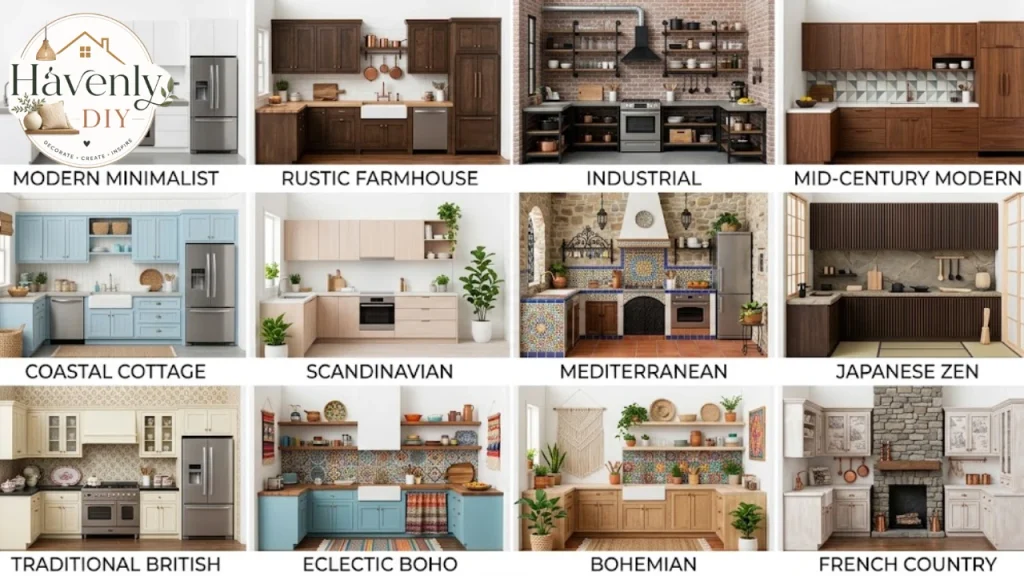
How to Choose Your Kitchen Style
Before falling for a photo of one of these kitchen styles, ask yourself four questions.
What does your house already say? A kitchen in a 1920s cottage, a 1960s ranch and a new-build apartment each start with different bones. Styles that respect the architecture usually look more natural and age better.
How do you use the kitchen? Serious cooks need durable surfaces and closed storage. Families need easy-clean finishes. People who entertain often want an island or open flow to the living room.
What keeps catching your eye? Save twenty photos of kitchens you love, without overthinking. Then look for patterns: wood or white, warm or cool, busy or calm. The patterns tell you more than any label.
How long will you stay? If you might sell in a few years, classic choices like transitional appeal to more buyers. If it’s your forever home, choose what makes you happy.
Not sure where you land? Our interior design style quiz is a quick way to see which look matches your taste.
Modern Kitchen
A modern kitchen is about clean lines and nothing extra. Think flat-panel cabinets with no visible hardware, smooth counters and a clutter-free surface.
Defining features: handleless or slim-pull cabinets, flat fronts in matte or gloss lacquer, integrated appliances, quartz or solid-surface counters, and hidden storage everywhere.
Colors: white, grey, black and wood tones, often in strong contrast.
Who it suits: people who love order and minimal visual noise.
Watch out for: modern kitchens can feel cold if every surface is hard and glossy. Add warmth with a wood island, a textured backsplash or warm under-cabinet lighting.
For cabinet ideas, see our guide to modern kitchen cabinets, which covers finishes, hardware and layouts in more detail.
Contemporary Kitchen
People often use “modern” and “contemporary” as if they mean the same thing, but there’s a difference. Modern refers to a defined, minimal look. Contemporary simply means current, so it changes with the times.
Today’s contemporary kitchens often mix materials: a dark island with light perimeter cabinets, fluted wood panels, sculptural pendant lights and a bold slab backsplash.
Defining features: mixed finishes, statement lighting, current colors like deep green, navy or warm taupe, and a few on-trend details.
Who it suits: people who enjoy design and don’t mind refreshing details every few years.
Watch out for: trends date quickly. Keep the expensive parts, like cabinets and counters, timeless and let paint, lighting and hardware carry the trendier touches.
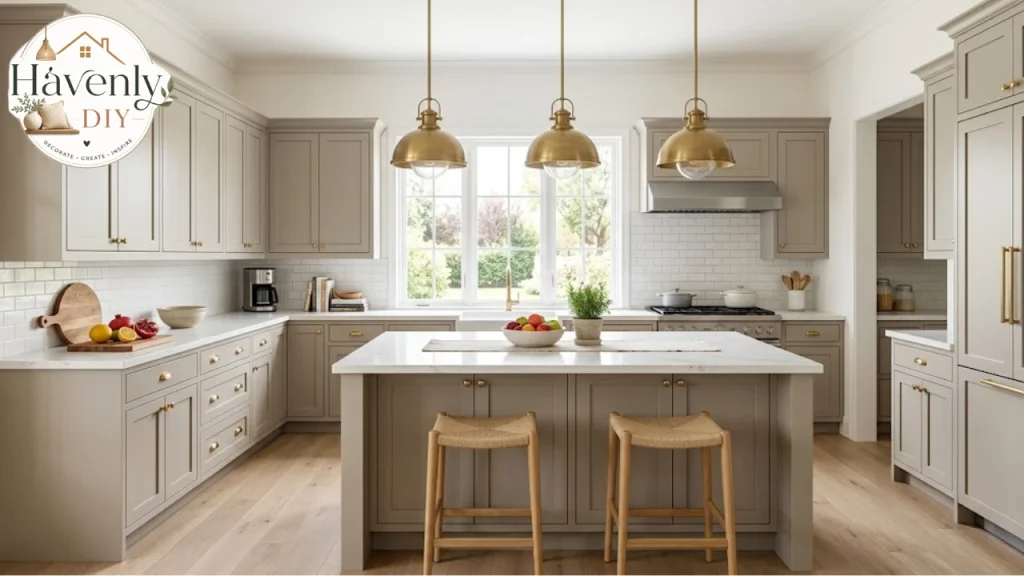
Transitional Kitchen
Transitional kitchens sit between traditional and modern. They’re probably the most popular choice for remodels because they feel fresh but won’t look dated in ten years.
Defining features: shaker cabinets, simple crown molding, quartz or marble-look counters, subway or simple tile, and brushed brass or nickel hardware.
Colors: soft whites, greige, light grey, warm wood, and increasingly muted greens and blues.
Who it suits: almost everyone, especially anyone thinking about resale value.
Watch out for: transitional can drift into bland. Give it personality with one standout element, like a colored island, a patterned floor or interesting light fixtures.
Traditional Kitchen
Traditional kitchens draw on classic European and American design. They’re detailed, warm and feel built to last.
Defining features: raised-panel cabinet doors, decorative crown molding, furniture-style islands with turned legs, natural stone counters and ornate hardware.
Colors: creams, warm whites, rich wood stains, and deeper colors like navy or forest green.
Who it suits: owners of older or more formal homes, and anyone who loves craftsmanship.
Watch out for: too much detail can make a smaller kitchen feel heavy. Choose a lighter cabinet color and keep the backsplash simple if space is limited.
Farmhouse Kitchen
Farmhouse kitchens are warm, practical and a little imperfect, which is precisely their charm.
Defining features: a deep apron-front sink, shaker cabinets, open shelving, butcher-block counters, beadboard or shiplap, and vintage-style lighting.
Colors: white and cream with natural wood, plus muted sage, blue or black accents.
Who it suits: families and anyone who wants the kitchen to feel lived-in and welcoming.
Watch out for: farmhouse can tip into theme. Skip the signs and decorative roosters, and let materials and texture do the work. A “modern farmhouse” version keeps the warmth with cleaner lines.
Farmhouse style also pairs naturally with relaxed, single-story homes like ranch-style homes, where the kitchen often opens into the living space.
Scandinavian Kitchen
Scandinavian kitchens are bright, simple and practical, built for long, dark northern winters.
Defining features: pale wood like birch, ash or white oak, white walls and cabinets, minimal hardware, and plenty of natural light.
Colors: white, soft grey, pale wood and the occasional muted pastel.
Who it suits: small kitchens, apartments, and anyone who wants calm without coldness.
Watch out for: too much white can feel sterile. Add texture with wood, linen, ceramic and plants.
Japandi Kitchen
Japandi blends Japanese minimalism with Scandinavian warmth. The result is quiet, natural and deeply calming.
Defining features: flat wood cabinet fronts, low visual clutter, natural stone or plaster, handmade ceramics, and a focus on craftsmanship over decoration.
Colors: warm neutrals, oat, clay, charcoal and natural wood.
Who it suits: people who want a peaceful kitchen and are happy to keep counters clear.
Watch out for: it relies on good materials. Cheap laminate imitating wood can undermine the whole look, so spend on surfaces you touch.
If you love this calm, natural feel, our Japanese bedroom guide shows how to carry it into other rooms.
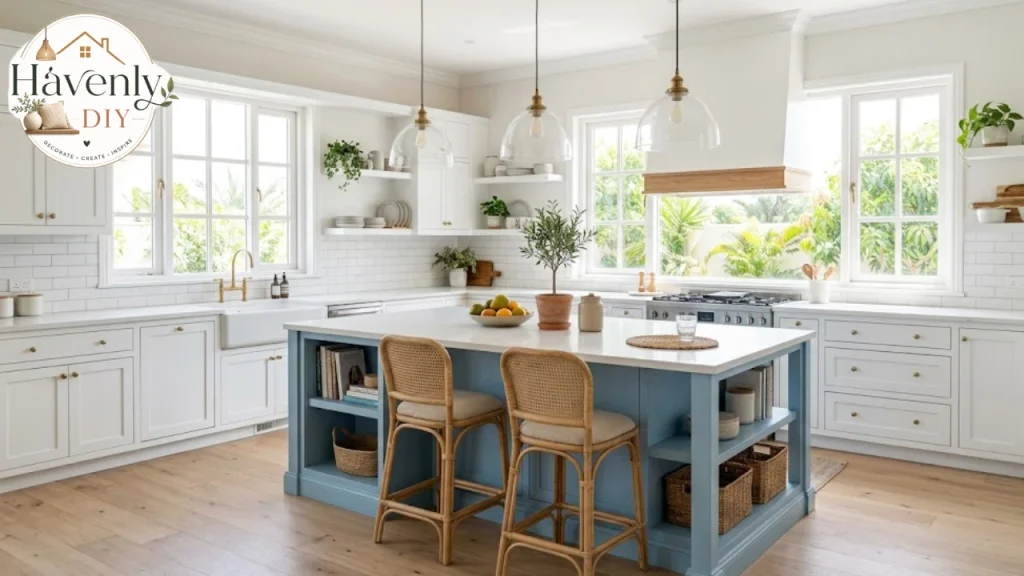
Coastal Kitchen
A coastal kitchen feels like summer by the sea, even if you live far inland.
Paintable shaker cabinets, light wood, natural fibers like jute and rattan, glass pendants, and plenty of light define features.
Colors: white, sandy beige, soft blue, sea-glass green and navy accents.
Who it suits: beach homes, sunny climates, and anyone who wants a relaxed, airy feel.
Watch out for: shells and anchors everywhere quickly feel like a theme park. Suggest the sea through color and texture instead.
Our full guide to the coastal kitchen covers palettes, materials and styling in more depth.
Industrial Kitchen
Industrial kitchens borrow from warehouses and lofts. They’re raw, practical and confident.
Defining features: exposed brick, concrete counters or floors, stainless steel, open metal shelving, dark cabinets and factory-style lighting.
Colors: charcoal, black, grey, brick red and weathered wood.
Who it suits: lofts, open-plan apartments and keen cooks who want hard-wearing surfaces.
Watch out for: all those hard surfaces can feel cold and noisy. Warm it up with wood, leather bar stools, and warm-toned lighting.
Mediterranean Kitchen
Mediterranean kitchens bring sunshine and history into the home. They feel earthy, colorful and generous.
Defining features: arched openings, plaster walls, terracotta floors, hand-painted tile, rustic wood beams and wrought-iron details.
Colors: whitewash, terracotta, ochre, olive and deep blue.
Who it suits: warm-climate homes and anyone who loves rich color and texture.
Watch out for: too many patterns can clash. Pick one hero pattern, often the backsplash or floor, and keep the rest calm.
This style is a natural match for Spanish-style homes, where arches and terracotta are already part of the architecture.
Victorian Kitchen
Victorian kitchens are rich and decorative, inspired by 19th-century design.
Defining features: inset cabinets with detailed molding, marble counters, brass or unlacquered hardware, patterned tile floors, and statement range hoods.
Colors: deep greens, burgundy, navy and cream, with dark wood.
Who it suits: period homes and anyone who loves drama and detail.
Watch out for: the look needs space and light to shine. In a smaller kitchen, use lighter cabinets and keep the ornament to the hood, hardware and lighting.
For more ideas, see our Victorian-style kitchen ideas.
Eclectic Kitchen
Eclectic kitchens break the rules on purpose. Vintage and modern, colorful and neutral, all in one room.
Defining features: mixed cabinet colors, vintage lighting, open shelves of collected ceramics, bold tile, and art on the walls.
Colors: anything, held together by a few repeated tones.
Who it suits: confident decorators and collectors who want a kitchen that feels truly personal.
Watch out for: eclectic works when choices feel intentional. Repeat a color or material at least three times in the room to tie it together.
Our guide to modern eclectic interior design explains how to mix styles without chaos.
Materials That Define Each Look
Two kitchens can share the same layout and cabinet shape yet feel completely different, because of what they’re made of. Materials do more to define kitchen styles than almost anything else.
Countertops. Quartz suits modern and transitional kitchens because it’s consistent and low maintenance. Marble and marble-look quartz lean traditional and Victorian. Butcher block brings farmhouse and Scandinavian warmth, while concrete belongs in industrial kitchens.
Cabinet fronts. Flat slab doors read modern or Japandi. Shaker doors are the backbone of transitional, farmhouse and coastal kitchens. Raised and inset panels signal traditional and Victorian.
Hardware finishes. Brushed brass feels warm and classic, black steel feels modern or industrial, polished nickel feels traditional, and wood or leather pulls feel natural and calm.
Backsplash. Simple white subway tile works almost anywhere. Zellige and handmade tile add texture for Mediterranean and eclectic kitchens. A full-height stone slab says modern luxury.
Flooring. Wide-plank oak suits most styles. Patterned cement tile fits Mediterranean and Victorian kitchens, while polished concrete or large-format porcelain fits modern and industrial looks.
When you’re unsure, choose one hero material, such as a striking countertop or tile, and keep the others quieter so they support it.
Kitchen Styles for Different Home Types
Your home’s architecture is a strong clue to which styles will feel most natural.
Apartments and condos usually benefit from modern, Scandinavian or Japandi kitchens. Light colors, flat fronts and hidden storage make compact spaces feel larger.
Older and period homes often suit traditional, Victorian or transitional styles that respect original moldings, windows and proportions.
Suburban family homes work well with transitional, farmhouse or modern farmhouse kitchens, which balance durability and warmth.
Beach and warm-climate homes lean coastal or Mediterranean, using light colors and natural textures that feel good in sunshine.
Lofts and converted spaces suit industrial kitchens, where exposed brick, ducts and concrete are already part of the character.
None of these are strict rules. They’re starting points that make it easier to choose among kitchen styles that look like they belong in your home.
Choosing Colors That Fit Your Kitchen Style
Color is the fastest way to signal one of the kitchen styles above, and the easiest to change later.
A simple approach is to use three colors: a main color for cabinets or walls, a secondary color for the island or lower cabinets, and an accent for hardware, lighting or accessories.
| Style | Main | Secondary | Accent |
|---|---|---|---|
| Transitional | Warm white | Greige or sage | Brushed brass |
| Farmhouse | Cream | Natural wood | Black |
| Coastal | White | Soft blue | Rattan or brass |
| Industrial | Charcoal | Concrete grey | Copper or black steel |
| Mediterranean | Whitewash | Terracotta | Deep blue |
For more pairings, our guide to home color combinations shows palettes that flow from the kitchen into the rest of the house.
Lighting That Completes the Style
Lighting is easy to overlook, but it can make or break the look.
Plan three layers. Ambient light from ceiling fixtures or recessed lights fills the room. Task light under cabinets and over the sink and stove lets you cook safely. Accent light, such as pendants over an island or lights inside glass cabinets, adds character.
Choose fixtures that echo your style: slim linear pendants for modern kitchens, glass schoolhouse shades for farmhouse, woven or paper shades for Japandi and Scandinavian, caged factory lights for industrial, and lanterns or wrought iron for Mediterranean.
Bulb color matters too. Warm white bulbs, around 2700–3000K, make wood, cream and brass glow. Cooler bulbs can make warm colors look flat, so test before buying in bulk.
How to Mix Two Kitchen Styles
Very few real kitchens are pure examples of one of these kitchen styles. Most successful kitchens combine a main style with a second one used sparingly.
A useful rule is roughly 80/20. Let one style lead with cabinets, counters and layout, then bring in the second through lighting, hardware, stools or decor.
Some pairings that work especially well:
Modern farmhouse: farmhouse warmth with cleaner lines and black accents
Transitional coastal: classic shaker cabinets with breezy colors and natural textures
Industrial Scandinavian: pale wood and white with black metal lighting and shelving
Japandi Mediterranean: calm wood and plaster with a few handmade terracotta pieces
The common thread is restraint. Choose the second style’s best details rather than everything it offers.
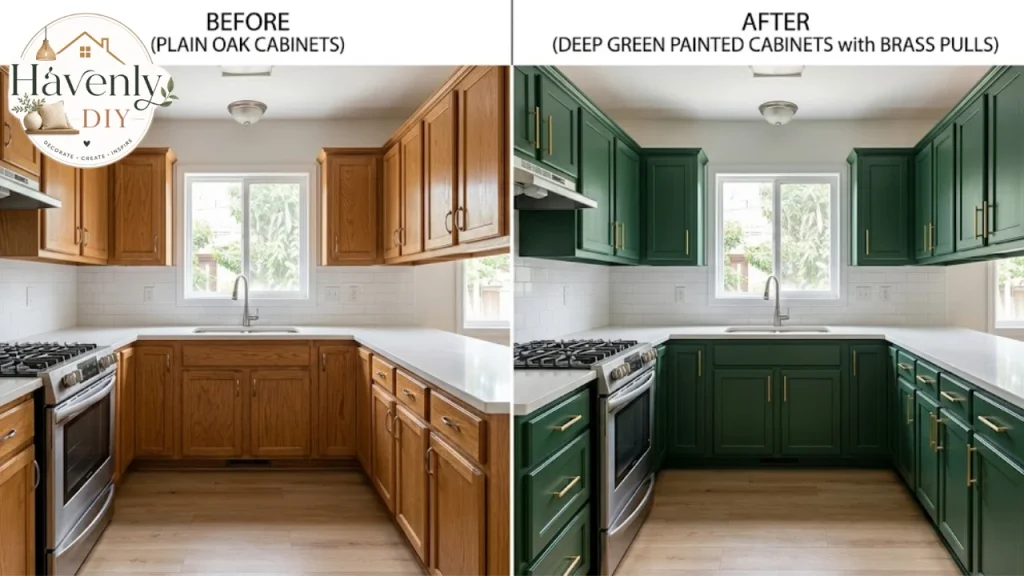
Updating Your Kitchen Style Without a Full Remodel
You don’t need new cabinets to change the feel of your kitchen. Changing a few key elements can shift it from one style toward another.
Paint the cabinets. A new color is the single biggest change for the money. Deep green moves a kitchen toward traditional or contemporary; warm white leans transitional.
Swap the hardware. Brass knobs feel classic, black bar pulls feel modern or industrial, leather pulls feel Japandi.
Change the lighting. Pendant lights over an island are like jewelry for the room and instantly signal a style.
Update the backsplash. Peel-and-stick tile or a fresh tile installation can transform the look in a weekend.
Edit the counters. Clearing clutter and displaying a few chosen pieces does more for style than buying new things.
Before you start, take photos of your kitchen as it is now. They help you see which changes made the biggest difference.
[IMAGE 5: Before-and-after cabinet paint and hardware update, under this section]
Matching Your Kitchen Style to the Rest of the Home
In open-plan homes, the kitchen shares a view with the living and dining spaces. The style needs to sit comfortably with what’s around it.
You don’t need identical styles in every room, but they should share something: a color, a wood tone, a metal finish or a shape. Repeating black window frames in the kitchen hardware, or matching the living room’s wood floor tone on open shelves, ties a home together.
If you’re furnishing nearby spaces at the same time, our roundup of the best home furnishings can help you choose pieces that match your kitchen’s character.
Common Mistakes When Choosing Kitchen Styles
Most regrets with kitchen styles come from a few avoidable choices.
Copying a photo exactly. That kitchen was designed for different light, space and architecture. Borrow the ideas, not every detail.
Mixing too many styles. Two styles can work. Four usually look accidental.
Following trends for permanent features. Keep cabinets, counters and flooring classic. Use paint, lighting and accessories for trends.
Ignoring maintenance. Glossy black shows fingerprints, open shelves collect dust, and marble etches. Choose surfaces that suit how you live.
Forgetting the floor. Flooring is a big visual surface. Make sure its color and material support your chosen style, not fight it.
FAQs:
What is the most popular kitchen style?
Transitional is one of the most popular choices for remodels because it blends classic and modern elements and appeals to a wide range of buyers. Modern farmhouse is also widely loved.
What is the difference between modern and contemporary kitchens?
Modern kitchens follow a defined minimalist look with clean lines and flat surfaces. Contemporary simply means current, so it reflects whatever design trends are popular now.
Which kitchen style is the most timeless?
Transitional and traditional styles tend to age best. Shaker cabinets, natural materials and neutral colors rarely look dated.
Can I mix kitchen styles?
Yes. Let one style lead, roughly 80%, and use a second style for about 20% through lighting, hardware or decor.
How do I figure out my kitchen style?
Save photos of kitchens you love and look for patterns in color, materials and mood. A style quiz and your home’s architecture also help narrow it down.
Which kitchen style adds the most resale value?
Neutral, transitional kitchens with quality materials usually appeal to the most buyers, because they’re easy for new owners to personalize.