

A chest of drawers with a scratch on the top and a drawer that sticks in humid weather. A brass lamp that has been rewired twice. A mirror whose silvering has gone cloudy at the edges.
None of them are perfect. That’s the point. In a home full of flat-pack furniture and matching sets, antiques are the pieces that make a room feel like someone actually lives there.
They’re also easy to get wrong. Buy badly, and you end up with a reproduction at an original’s price, or a piece that’s been “restored” until the value is gone. This guide covers what counts as an antique, how to check one before you pay, where to shop, and how to make old things look right in a modern room.
What Counts as an Antique?
The usual rule is age. An antique is generally an item at least 100 years old. Customs agencies use the same line: in the US, goods over 100 years old are classed separately for import duty, and the UK follows a similar convention.
Here’s how the common terms line up:
| Term | Typical meaning |
|---|---|
| Antique | 100 years or older |
| Vintage | Roughly 20 to 99 years old |
| Retro | New items styled to look old |
| Collectible | Valued by collectors, any age |
| Reproduction | A modern copy of an older design |
Those boundaries aren’t perfectly fixed. Some countries use 50 years for certain categories, and cars are often treated differently, with many places using a 25-year rule.
A piece can also be old without being valuable. Age sets the label. Condition, maker, rarity, and demand set the price.
Why People Are Buying Antiques Again
Part of it is cost. Antiques in solid wood often undercut new furniture of similar build quality. Older pieces also tend to be built to be repaired, not replaced.
Part of it is taste. Maximalist and eclectic interiors favor mixed eras, and younger buyers often say they care about the story behind an object. Dealers also report steady interest in mid-century furniture, brass lighting, hand-blown glass and porcelain.
Treat those trends with some caution. Much of the commentary comes from sellers, and not every antique rises in value. Buy because you love something and can afford it, not because someone predicted a boom.
Where to Find Antiques
Antique Shops and Dealers
A good dealer knows the stock and will usually tell you what has been repaired. Prices are higher, but you’re paying for sorting, research, and a person to ask.
Look for shops that belong to a trade association and will put a description and date on the receipt.
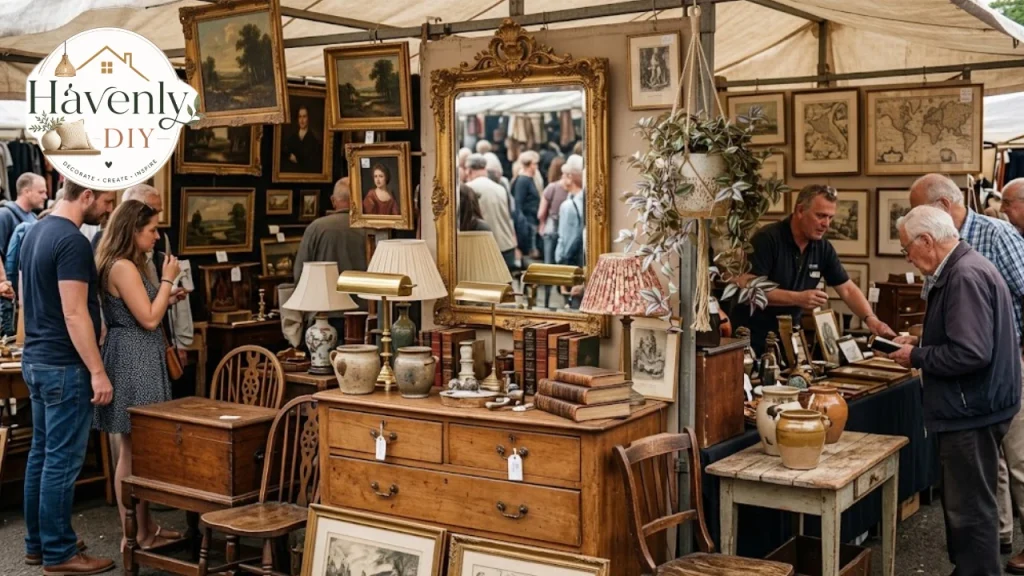
Antique Malls and Fairs
Malls rent booths to many sellers, so quality varies a lot within one building. Fairs concentrate dealers in one place for a weekend, which makes comparing prices easy.
Go early for the best pieces and late for negotiation.
Auctions
Auctions can be the cheapest route and the riskiest. Pieces are sold as seen, and the buyer’s premium, often added on top of the hammer price, can raise the total noticeably.
View the lots in person if you can, read the condition notes, and set a maximum before bidding starts.
Estate Sales and House Clearances
These can turn up good furniture, rugs,s and kitchenware, usually priced to clear. Condition varies, and nothing comes with a guarantee.
Flea Markets and Charity Shops
Prices are low and stock changes fast. You’ll sift through plenty of ordinary items, but the occasional good find is real.
Online Marketplaces
Auction sites, dealer platforms and local listings widen the search. They also make it easier to be fooled by photos.
Ask for extra pictures of the underside, back,ck and inside; check the return policy; and be wary of descriptions that rely on words like “rare” with nothing to back them up.
How to Check an Antique Before You Buy
You don’t need to be an appraiser to avoid the worst mistakes. Most problems show up if you look in the right places.
Turn It Over and Look Inside
Finished surfaces are easy to fake. Backs, undersides, and the insides of drawers are harder.
Old wood is usually uneven in color and shows tool marks. Machine-cut surfaces look uniformly smooth and sharp.
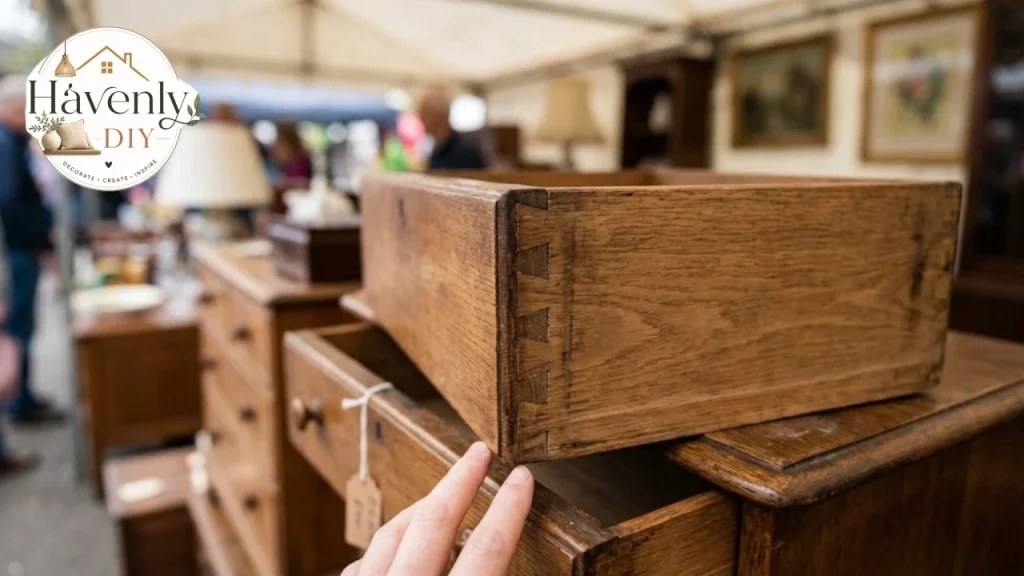
Check the Joinery
Hand-cut dovetails are slightly irregular, with tails of different widths. Perfectly even, machine-precise dovetails suggest later manufacture, although machines have made them since the late 1800s, so this is a clue and not proof.
Mortise-and-tenon joints, pegs and hand-planed boards point to older work.
Look at the Hardware
Hinges, screws, and nails change over time. Hand-forged nails and slotted screws with uneven threads suggest age, while modern Phillips screws on a supposedly old piece are a red flag.
Original hardware adds value. Replaced pulls may be fine, but they should be disclosed.
Examine the Wear
Real age wears in logical places: chair arms, drawer edges, the underside of tabletops where hands reach. Artificial distressing tends to look random and evenly spread.
Check whether the wear matches how the piece was used.
Smell and Touch
Old drawers often smell of aged wood and wax. A strong chemical smell can mean fresh finish or fumigation, and a musty smell suggests damp.
Run a hand along edges. Genuine age feels soft and slightly rounded. Fresh sanding leaves crisp edges.
Look for Marks and Labels
Maker’s marks, stamps, labels, registry numbers, and signatures help date and identify a piece. Pottery and silver often carry hallmarks or backstamps.
Marks can be forged, and labels can be moved, so use them as one clue among several.
Ask About Provenance
Provenance is the history of ownership. A receipt, family letter, auction record, or old photograph can add value and confidence.
If a seller can’t say anything about where a piece came from, price it accordingly.
Common Antiques and What to Look For
Furniture
Solid wood, sturdy joinery,y and original finish matter most. Veneer is not a flaw in itself, since much fine antique furniture was veneered, but lifting or patched veneer lowers value.
Check chairs for wobble, tables for warping,g and drawers for smooth, even travel.
Mirrors
Original glass often shows speckling, called foxing, and soft clouding at the edges. Many buyers love it, and replacing the glass lowers the value of a true antique.
Lighting
Old lamps and chandeliers almost always need rewiring for safety. Budget for a qualified electrician to check or replace the wiring.
Rugs
Look for even wear, natural dyes that have mellowed, and a clean back with visible knots. Check for moth damage, repairs, and a cracked or brittle foundation.
Ceramics and Glass
Look for chips, hairline cracks, and repairs under a bright light. Glass that rings clearly when lightly tapped is usually sound, while a dull sound can signal a crack.
Silver and Brass
Tarnish is cleanable. Over-polishing can remove detail and patina, which lowers value for collectors.
Art and Frames
Original frames are part of a work’s history. Check the back for old labels and handwriting, and be careful with prints that look too perfect.
Condition, Repair and Restoration
Condition drives price more than age does. A rare piece in poor condition can be worth less than a common one in excellent shape.
Know the difference between three things. Conservation stabilizes a piece and keeps its original look. Restoration repairs it to look as it once did. Refinishing strips and replaces the surface, which often removes value.
Gentle repair is normal and usually accepted. Heavy refinishing, sanded-off patina, and replaced parts are different.
Before buying, ask what has been replaced, repaired,d or repainted. A reputable seller will answer plainly.
How Much Should You Pay?
There is no fixed price list. Comparison is the best method.
Search recent sold prices on auction results, not asking prices on listings. Sold prices show what buyers actually paid.
Set a budget that includes delivery, repairs, and any rewiring or reupholstery. A cheap chair that needs a full restoration isn’t cheap.
For high-value items, a written appraisal from a certified professional is worth the fee, especially for insurance.
Negotiating
In shops and fairs, a polite offer of a small discount is normal, particularly if you’re buying several items. Be reasonable, because good dealers know their stock.
At auction, decide your maximum in advance and stick to it.
Fakes, Reproductions and Common Traps
Reproductions sold as originals. Look for modern fasteners, uniform machine marks, and artificial aging.
Married pieces. These are items assembled from parts of different pieces, such as a bookcase top on a mismatched base. They’re not always fakes, but they should be priced as such.
Over-restored pieces. A stunning surface can hide major repairs.
Vague descriptions. Phrases like “period style” or “in the manner of” describe a copy.
Pressure to buy fast. Genuine antiques will survive a night of thought. Take photos and go home if you’re unsure.
Hidden damage. Woodworm, damp,p and cracks hide in corners and backs. Bring a flashlight.
Woodworm shows as small round holes, sometimes with fine dust beneath. An active infestation needs treatment before the piece comes into your home.
Bringing Antiques Home Safely
Check for Pests
Inspect carefully for woodworm and moths before moving a piece indoors. If in doubt, isolate it in a garage or shed and treat it first.
Clean With Care
Dust with a soft cloth. Avoid spray polish and harsh cleaners, which can leave residue and damage old finishes.
Use a high-quality wax sparingly on wood, and test any product on a hidden spot.
Control the Environment
Wood reacts to humidity and heat. Keep pieces away from radiators, vents, and direct sun, which can crack veneers and fade finishes.
A stable room, neither too dry nor too damp, protects them best.
Protect Surfaces
Use coasters, felt pads, and trivets. Old finishes mark easily, and a hot mug or wet vase can leave a ring that’s hard to remove.
Check Safety
Rewire antique lamps and electrical items. Check that old cabinets and bookcases are secured to the wall if they could tip, especially in homes with children.
How to Style Antiques in a Modern Home
The trick is contrast and restraint. One strong antique in a clean space looks intentional, while a room full of them can look like a shop.
Mix Old and New
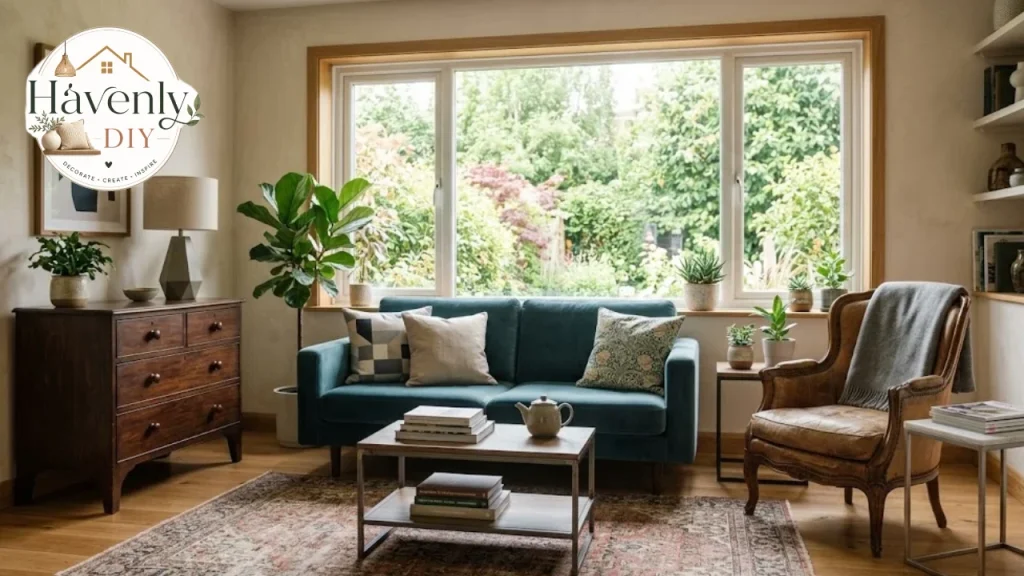
Pair an antique chest with a contemporary lamp, or a carved console with modern art. The contrast makes each piece look better.
This approach sits at the heart of a modern eclectic interior, where different eras share a room with a common color thread.
Choose a Hero Piece
Give each room one star: a dresser, a large mirror, a statement rug. Keep the rest simple so the piece has space.
Repeat Colors and Materials
If an antique is warm walnut, echo that wood tone elsewhere. Our guide to home color combinations can help you tie old pieces to a current palette.
Use Old Pieces in New Ways
A farm table can become a kitchen island. A dresser can become a bathroom vanity. A trunk can serve as a coffee table with hidden storage.
Practical reuse keeps antiques in daily life, which is where they belong.
Mind the Scale
A large, heavy piece in a small room can overwhelm it. A delicate piece in a huge room can disappear. Measure before you buy and mark the footprint on the floor with tape.
Antiques Room by Room
Living Room
A carved cabinet, an old rug,g or an antique mirror above a mantel gives a living room depth. If you have a fireplace, our fireplace hearth guide has ideas for styling it with older pieces.
Dining Room
Antique tables and sideboards are often sturdier than new ones. Mix old chairs of different styles around a table for a relaxed, collected look.
Kitchen
Old butcher blocks, enamel signs, crockery and brass fittings add warmth. A period kitchen looks natural with older pieces, as in our Victorian-style kitchen ideas.
For a lighter look, an antique cupboard sits happily in a coastal kitchen, especially when painted a soft color.
Bedroom
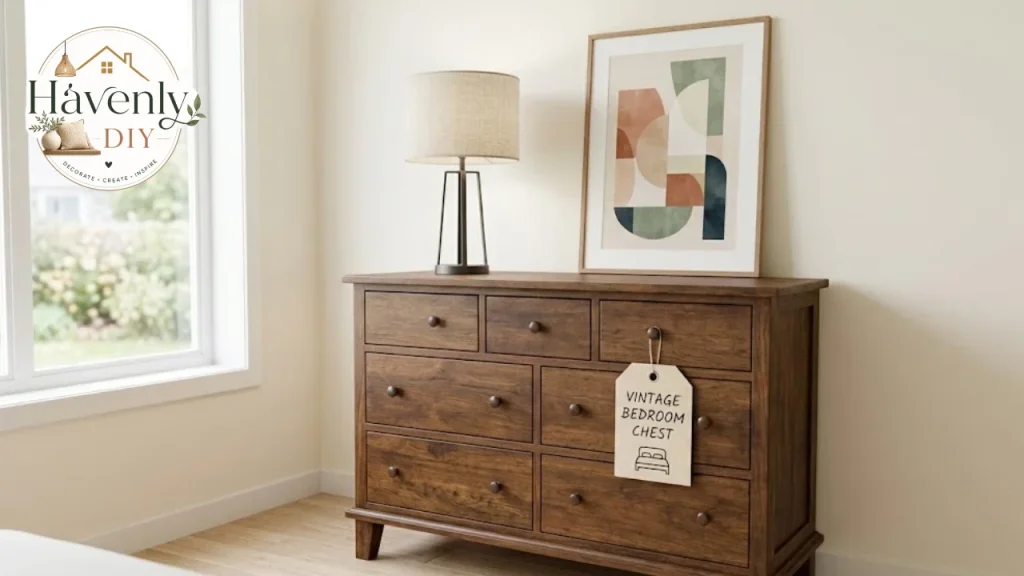
A vintage bed frame, a mirror and a chest of drawers bring calm and character. For warm, natural palettes, look at our earthy bedroom ideas.
If you prefer minimal, a single carved or lacquered piece works well in a restrained Japanese bedroom.
Bathroom
An old dresser fitted with a basin makes a distinctive vanity. Seal wood well against moisture. Our rustic bathroom ideas and small bathroom vanity guides show how older pieces can work in small spaces.
Entryway and Hallway
A narrow console, a bench,ch or a hall mirror makes a welcoming first impression and rarely needs much space.
Utility Rooms
Even laundry rooms benefit from old pieces. A weathered cupboard or a wooden drying rack adds character to a practical room, and our laundry room cabinet guide has more ideas.
Antiques for Different Home Styles
Traditional and Victorian homes suit carved wood, rich textiles and brass.
Spanish and Mediterranean homes pair well with wrought iron, painted tiles and carved chests. See our Spanish style homes guide.
Ranch and mid-century homes welcome teak sideboards, glass and clean-lined chairs. Our ranch style home guide shows how.
Coastal homes work with weathered wood, rope, and faded blues and whites.
Modern minimalist homes use a single sculptural antique as a focal point.
Not sure what suits you? Take our interior design style quiz to find your direction before you shop.
Antiques on a Budget
You don’t need a large budget to start buying antiques.
Start small. Frames, mirrors, trays, candlesticks, and ceramics cost far less than furniture.
Buy solid, not fancy. Plain, well-made pieces often cost less than ornate ones and age better.
Look for tired pieces. A good piece with worn paint or a faded finish can be repaired for less than a restored one costs.
Shop off-season and off-peak. Fairs and markets often have better deals at the end of the day or in bad weather.
Use local sources. Charity shops, estate sales and community listings often have lower prices than dealers.
Learn basic care. Cleaning, waxing and simple repairs are easy to learn and save money.
If you’re furnishing a first place, our best home furnishings guide helps you mix secondhand finds with new essentials. Students can also pick up inexpensive older pieces for a shared room, as in our dorm room ideas for guys.
Collecting With Purpose
Casual buyers often become collectors without planning to. A few habits keep it enjoyable.
Pick a theme. Blue-and-white china, brass candlesticks, botanical prints. A theme gives your search direction.
Learn the category. Read books, visit museums,s and handle pieces in shops.
Keep records. Note where and when you bought each item and what you paid. Keep receipts and photos.
Insure valuable items. Standard home insurance may limit cover for high-value objects, so ask your insurer about a specific policy.
Store carefully. Wrap fragile items in acid-free tissue and avoid attics and damp basements.
Know when to sell. If your taste changes, auction houses and dealers can help you rehome pieces.
A Simple Buying Checklist
Keep this on your phone when you shop. It takes two minutes per piece and catches most problems.
Measure first. Check the piece against the space and the doorways it must pass through.
Look at the back and underside. Note tool marks, labels, repairs,rs and replaced parts.
Test everything that moves. Open drawers, doors,s and hinges, and sit on chairs.
Smell it. Damp, smoke, and strong chemicals all show up here.
Ask what has been repaired. Write down the answer on the receipt.
Photograph marks and labels. You can research them later.
Check delivery. Large pieces may need two people and a van.
Get a written receipt. It should describe the item, the date or period, and any known repairs.
If the answer to any question is “I don’t know” and the price is high, walk away and think about it.
Small Antiques That Make a Big Difference
You don’t need a large dresser to bring age into a room. Small objects do a lot of work and cost less to buy, store, and move.
Mirrors. Old glass catches light softly and makes a room feel deeper.
Candlesticks and lamps. Brass and glass add warmth. Have electrical items checked before use.
Trays and bowls. Silver, pewter and treen (turned wooden pieces suit coffee tables, kitchens and entryways.
Books. Old cloth-bound books fill shelves with texture and color. Handle them gently and keep them out of damp rooms.
Botanical and architectural prints. Group a few in matching frames for a gallery wall.
Textiles. Linen, quilts and embroidered cushions soften a space, though old fabrics need gentle cleaning.
Clocks. A mantel or wall clock gives a room a quiet focal point. Have movements serviced by a specialist.
Start with two or three of these and see how they feel in daily use.
Common Mistakes to Avoid
Buying without measuring. The most common and most avoidable error.
Ignoring condition. A low price on a badly damaged piece rarely pays off.
Over-cleaning. Stripping patina can reduce value and charm.
Paying for a story. A romantic tale without proof isn’t provenance.
Buying everything at once. Rooms look better when pieces are added slowly.
Forgetting safety. Old wiring and unstable furniture are real hazards.
Treating them as investments. Buy what you enjoy using. If it holds its value, treat that as a bonus.
FAQs:
What is the difference between antique and vintage?
An antique is generally at least 100 years old. Vintage usually means roughly 20 to 99 years old.
How can I tell if furniture is really antique?
Check joinery, hardware, tool marks, and wear patterns. Look at the back and inside drawers, and ask for provenance. For valuable pieces, get a professional appraisal.
Are antiques a good investment?
Not always. Some pieces rise in value, but many don’t. Buy for use and enjoyment, and treat any profit as a bonus.
Where is the best place to buy antiques?
It depends on your budget and confidence. Dealers offer expertise, auctions offer lower prices with more risk, and markets and estate sales offer variety.
Can I use antiques every day?
It can lower the value of a valuable piece. For damaged or low-value furniture, painting is a popular and acceptable choice.
How do I clean antiques safely?
Dust gently with a soft cloth, avoid spray polish and harsh chemicals, and test any product on a hidden area first.